Albanian Hospitality and Besa: Why Albanians Are the Balkans Best Hosts
Every season we guide travelers through Albania, the feedback that dominates post-trip conversations is never about a castle, a beach, or a mountain view — it is about the moment a stranger invited them inside, poured rakia without asking, and refused to let them leave without eating. This happens with remarkable consistency: across the northern highlands, the Riviera coast, the Ottoman-era towns of the south. It is not coincidence, and it is not performance. It is the living expression of Besa — an Albanian code of honor so deeply embedded in national identity that understanding it is, arguably, the single most important cultural preparation any traveler can make before arriving in Albania. Research by the Albanian Institute of Statistics (INSTAT) consistently places tourism satisfaction scores in Albania above regional averages, and our own traveler surveys at Inside Balkan show that “local hospitality” ranks as the number-one reason guests would return or recommend Albania to others. The data simply confirms what every visitor feels within hours of crossing the border.
What Is Besa? The Ancient Code at the Heart of Albanian Culture
Besa (pronounced beh-sah) translates most directly as “faith” or “pledge,” but that clinical translation collapses the concept into something far too small. In practice, Besa is a comprehensive ethical framework governing trust, word-keeping, protection of guests, and communal obligation. It functions simultaneously as personal moral code, social contract, and — historically — legal statute.
The formal codification of Besa comes from the Kanun of Lekë Dukagjini, a body of customary Albanian law assembled in oral tradition and later transcribed in the 15th century. The Kanun dedicates entire chapters to the guest-host relationship, establishing rules so specific they dictate how a host must address a guest, where a guest sleeps in relation to the door, how long a guest may stay before the host’s obligations formally end, and what protections a host must provide even at personal cost. Under the Kanun, harming a guest in a host’s home was among the most serious violations a person could commit — one that demanded blood-reconciliation under the same strict Kanun principles governing feuds.
Scholars of Balkan anthropology, including Edith Durham whose 1909 work High Albania remains foundational, documented Besa in action in communities where the Albanian highlands were ungoverned by any external state. Besa filled that governance gap. It created reliable social infrastructure in a landscape where the Ottoman Empire’s reach was thin and the Albanian clans maintained their own order. What emerged was not lawlessness — it was an extraordinarily sophisticated honor culture in which a person’s word, and their treatment of guests, defined their entire social standing across generations.
Besa in Modern Albania: Not a Museum Piece
A critical mistake travelers make — particularly those arriving with Balkans comparisons in mind — is assuming Besa belongs to folklore rather than daily life. It does not. The code has adapted in form but not in substance across contemporary Albanian society.
In practical terms, this means:
- Guests are genuinely prioritized. In Albanian households, the best food, the best room, and the best chair belong to the guest as a matter of course — not as a deliberate display, but as instinct.
- Refusal is rarely permitted. Declining an offer of coffee, food, or drink in an Albanian home can register as an insult to the host’s Besa. Learning to accept graciously — and to eat even when full — is a practical travel skill in Albania.
- Protection obligations extend beyond the threshold. In highland communities especially, a host who has accepted you under their roof has taken on responsibility for your safety. This is not metaphorical.
- Word is binding. When an Albanian says they will do something — meet you somewhere, arrange something for you, be somewhere at a time — they mean it absolutely. Besa makes commitment a matter of personal honor, not politeness.
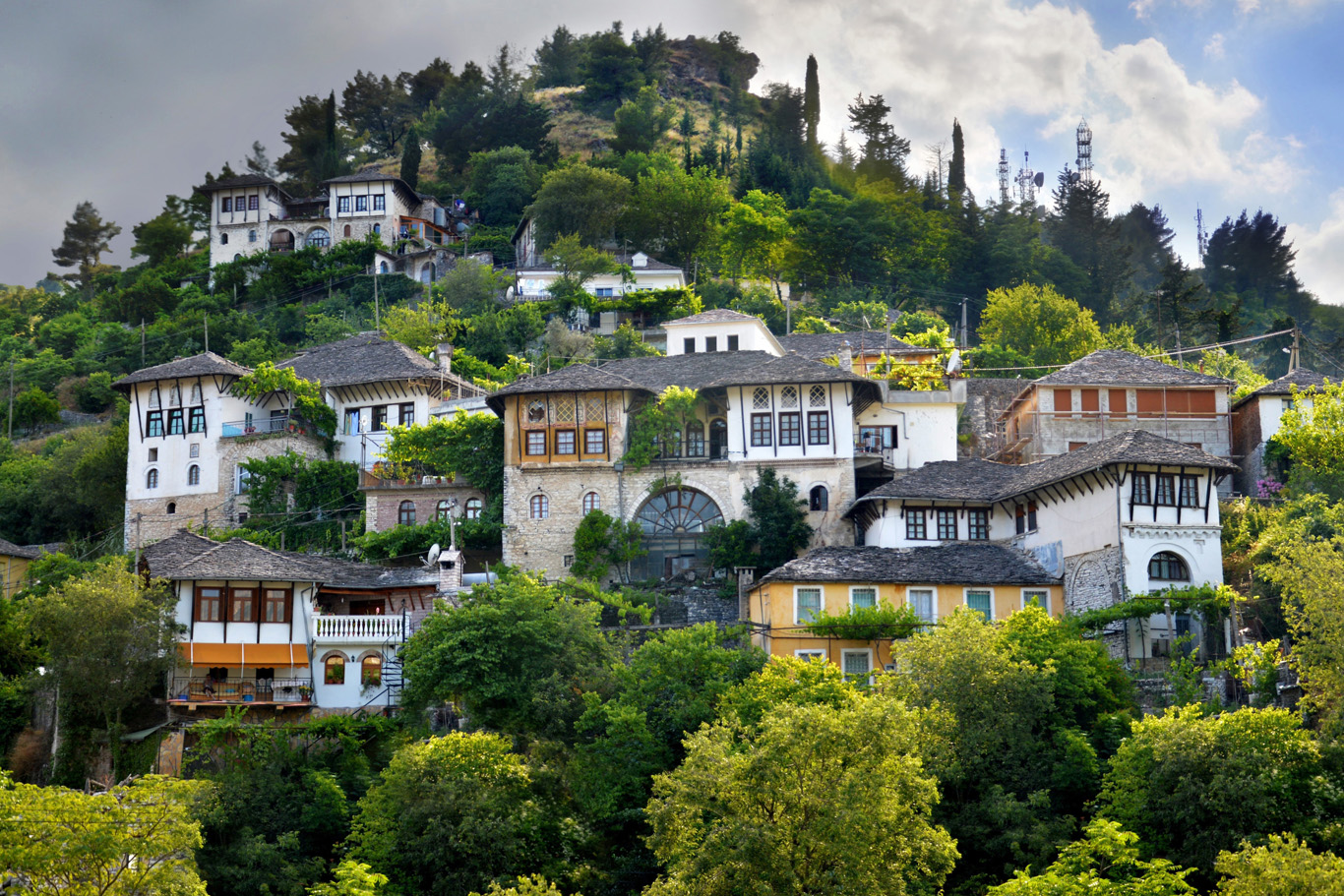
Our guides at Inside Balkan have accumulated years of first-hand accounts from travelers who experienced this without expecting it. One recurring story: a traveler becomes lost near Shkodër, stops to ask directions, and ends up spending the evening in a family’s home after a meal of tavë kosi and homemade wine, with the family declining payment categorically. These stories are not outliers. They are statistically normal in Albania.
wp:image {“id”:368}
/wp:image
The Guest-Host Dynamic: What Travelers Need to Know
Understanding Besa from a traveler’s perspective requires navigating a relationship that operates on different terms than transactional tourism. This is not a service economy in the usual sense. When an Albanian invites you into their home, they are not performing hospitality for a tip or a review — they are fulfilling a cultural obligation that predates the concept of tourism by centuries.
Entering an Albanian Home
When invited into a private home, remove your shoes at the door unless specifically told otherwise. Bring something — a bottle of wine, pastries, something for the children — though your hosts will likely protest the gesture warmly. Sit where directed: the guest’s seat is typically the most prominent position in the room, often facing the door. Do not expect or rush toward a swift departure. Albanian hospitality expands into time, and an hour’s visit is rarely considered enough to have genuinely welcomed someone.
Staying in Family Guesthouses
The growth of family-run bujtina (guesthouses) across the Albanian highlands has created an accommodation category that has no real equivalent elsewhere in the Balkans. These are not bed-and-breakfasts in the Western European sense. A bujtina hosts you as a family member, not a customer. Meals are prepared from what the family grows or makes — cheese pressed that week, bread baked that morning, raki distilled from last season’s grape harvest. On our Albania Trekking & Culture 15-day program, we incorporate multiple bujtina nights specifically because no hotel stay replicates the cultural depth of that experience.
Receiving Without Reciprocating Immediately
For travelers from transactional cultures — particularly Western Europeans and North Americans — the hardest part of Besa-driven hospitality is accepting without immediately trying to balance the exchange. Offering cash to a host who has fed you is often deeply offensive. Gratitude, expressed genuinely and with warmth, combined with willingness to stay longer and engage fully, is the correct form of reciprocation. You honor Besa by receiving it properly, not by trying to pay it off.
wp:image {“id”:369}
/wp:image
Besa Beyond the Highlands: Hospitality Across All of Albania
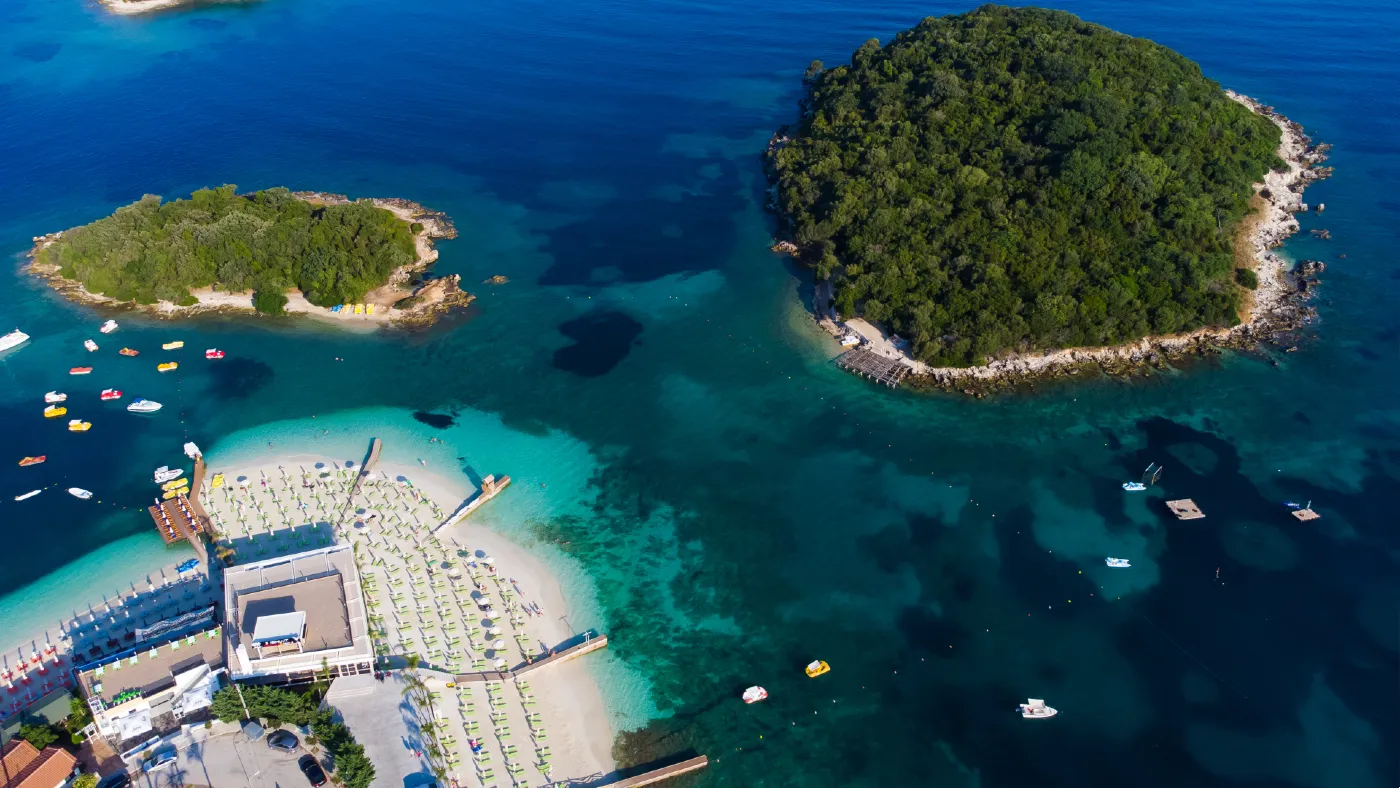
While the Kanun’s most specific articulations of Besa are rooted in northern highland culture — the districts of Shkodër, Tropojë, Has, and Pukë — the values it encodes operate with recognizable consistency across Albania’s geographic and social spectrum. On the Albanian Riviera, where our Albanian Riviera Beach & Culture Week takes travelers through coastal communities from Vlorë to Sarandë, the same instinct toward generosity governs interactions in beach tavernas, olive-farm households, and small fishing villages. The expressions are different — looser, warmer with Mediterranean sun — but the underlying ethic is unmistakably the same.
This consistency across regions is significant for travelers comparing Albania with neighboring countries. When you cross into Montenegro, North Macedonia, or Kosovo, you encounter genuine Balkan hospitality — but Albania’s version carries a specificity of obligation and cultural weight that sets it apart. It is a core part of what makes Albanian culture elevating the country above all Balkan neighbors a defensible argument rather than promotional language. The data from traveler satisfaction surveys, the anthropological record, and simply the accumulated testimony of anyone who has spent meaningful time here all point in the same direction.
If you are curious how this cultural dimension stacks up when choosing between regional destinations, our comparison of Albania versus Croatia examines hospitality culture as one of the decisive differentiating factors.
wp:image {“id”:370}
/wp:image
Stories From Our Team and the Travelers We Guide
Our lead guide in the Accursed Mountains recalls a specific evening near Valbona when a group we were guiding encountered a family whose patriarch insisted on walking three kilometers in deteriorating weather to show us a safer trail shortcut — then waited to confirm we arrived safely. He declined everything we offered. His explanation, translated plainly: “You are in my mountains. Of course I do this.”
A solo traveler we connected with after her trip described stopping in Gjirokastër at what she thought was a café, being redirected by a woman into a private courtyard, and being fed lunch by three generations of one family who spoke no language in common with her. Communication happened through gesture, laughter, and Google Translate. She rated it, without hesitation, as the best hour of a six-week Balkan journey.
These are not carefully curated exceptions pulled from thousands of interactions. They are representative. The question our team gets asked most frequently is some variation of: “Will this actually happen to us?” The answer, based on years of guiding and our own experience living and working across Albania, is almost certainly yes — provided you move slowly enough to allow it.
Frequently Asked Questions About Besa and Albanian Hospitality
Is Besa still practiced in Albanian cities, or only in rural areas?
Besa’s expression is most visible in rural and highland contexts, where it remains formally referenced by name. In cities like Tirana, Shkodër, and Vlorë, the underlying values — generosity toward guests, honoring one’s word, prioritizing visitors’ comfort — are equally present but expressed through contemporary urban norms rather than formal codes.
Can I experience Besa as a tourist, or is it reserved for personal relationships?
Besa makes no distinction based on relationship depth. Under the Kanun tradition, a stranger arriving at your door has the same claim on your hospitality as a known friend. The guest relationship activates automatically. As a traveler, you are not excluded from this — you are precisely the category of person these values were designed to protect and serve.
What is the biggest mistake travelers make regarding Albanian hospitality?
Refusing offers too quickly, or trying to pay for hospitality that is being offered as a gift. Both moves misread the cultural transaction. Accept first, thank genuinely, engage fully — then navigate any reciprocal gesture carefully and with guidance from someone who understands the context.
How does Inside Balkan incorporate Besa into its tours?
Deliberately and specifically. We build itineraries that create space for genuine cultural exchange rather than scheduled encounters. Bujtina stays, family meal hosting, and time in smaller villages are integrated as core experiences rather than optional additions. Visit insidebalkan.com to explore how our programs are structured around authentic cultural access.
Ready to experience Besa firsthand? Our team at Inside Balkan designs Albania programs built around genuine cultural immersion, not surface-level tourism. Explore our itineraries at insidebalkan.com or reach out directly — we are local experts, and conversation costs nothing.

Garyalb86
Travel writer and Balkan enthusiast sharing stories and tips from Albania and beyond.
View All Posts