Albania Travel Costs 2026: Full Budget Breakdown for Visitors
So you’ve heard Albania is cheap — but how cheap, exactly? And what does “cheap” actually mean when you’re trying to plan real flights, real meals, and real beds? We get asked these questions constantly at Inside Balkan, and the honest answer is: Albania isn’t just affordable by accident. It’s structurally, genuinely, and impressively good value compared to almost anywhere else in the Mediterranean and Balkans. In this breakdown, we walk you through exact figures across budget, mid-range, and premium travel styles — covering accommodation, food, transport, entrance fees, and guided experiences — so you can plan with confidence rather than guesswork.
Why Albania Stands Apart on Price (Before We Get to the Numbers)
Albania runs on the Albanian Lek (ALL), not the Euro, which immediately gives travelers a pricing buffer you simply don’t get in Croatia, Greece, or Montenegro. The local economy is still calibrated to local wages, meaning restaurants, guesthouses, and transport haven’t been repriced for Western European tourists the way much of the Adriatic coast has. That gap is narrowing as tourism grows — but in 2026, it remains substantial. We consistently find Albania offering the best value in the Balkans for travelers willing to step slightly off the well-worn path.
For context before we dive in: a rough daily budget in Albania runs from as little as €25–35 per person (budget backpacker), €60–100 per person (comfortable mid-range), and €150–250+ per person (premium/boutique). Those ranges will make a lot more sense once we break them down category by category below.
Accommodation Costs Across Albania’s Regions
Albania’s accommodation pricing varies meaningfully by region, and knowing those differences helps you allocate your budget smartly.
Tirana
- Budget hostels: €10–18 per person/night in a dorm
- Mid-range guesthouses or 3-star hotels: €45–75 per room/night
- Boutique and design hotels: €90–160 per room/night
Tirana has seen a real uptick in quality boutique stays over the past few years, particularly around the Blloku district. You can find excellent mid-range options that would cost three times as much in Dubrovnik or Thessaloniki.
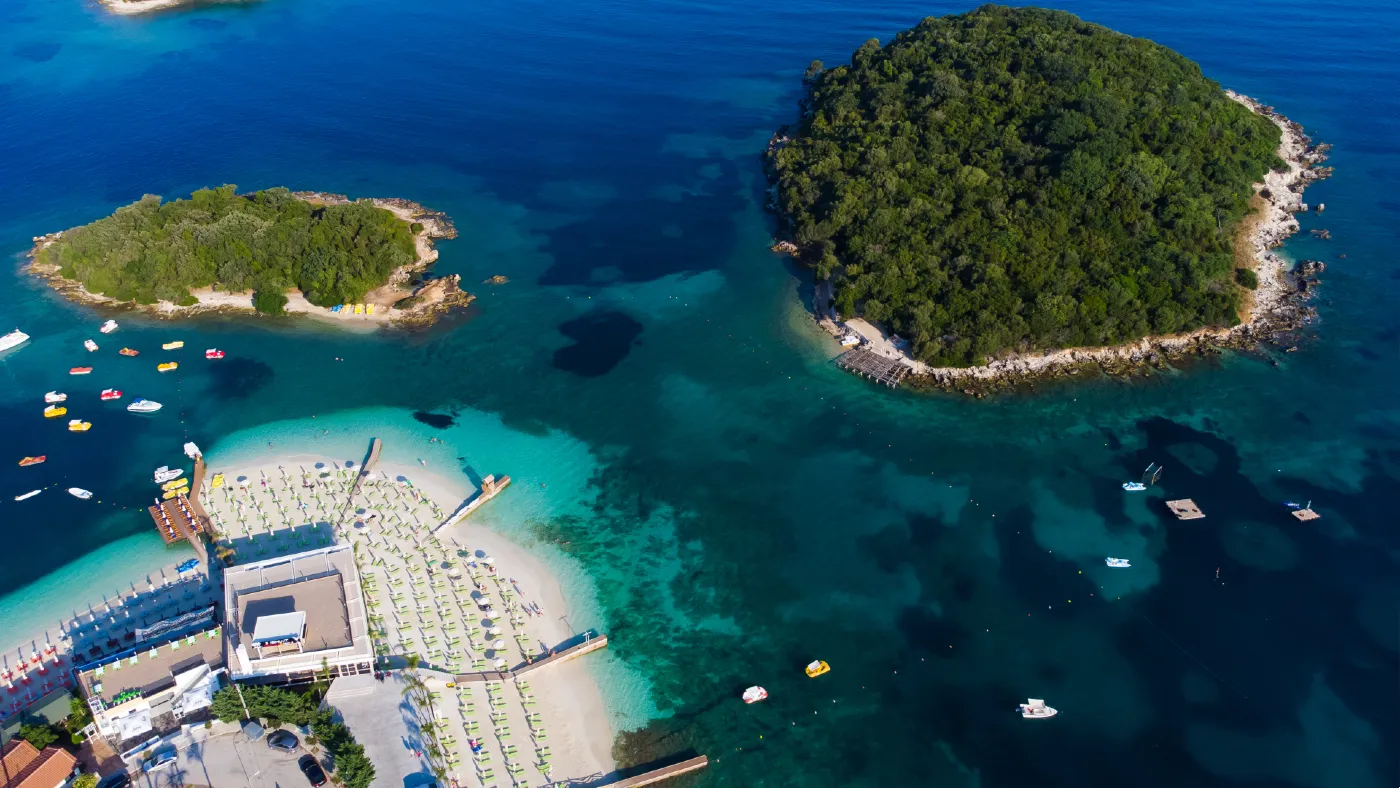
Albanian Riviera (Saranda, Himara, Dhermi)
- Budget rooms or apartments: €25–40 per night (shoulder season), €50–80 (peak July–August)
- Mid-range beachside hotels: €70–120 per room/night in peak season
- Premium villas or resorts: €150–300 per night
The Riviera commands slightly higher prices in summer, but even peak-season rates here undercut comparable Croatian or Greek coast options by 30–50%. Saranda specifically has grown fast, and prices reflect that — Himara and Dhermi remain notably better value.
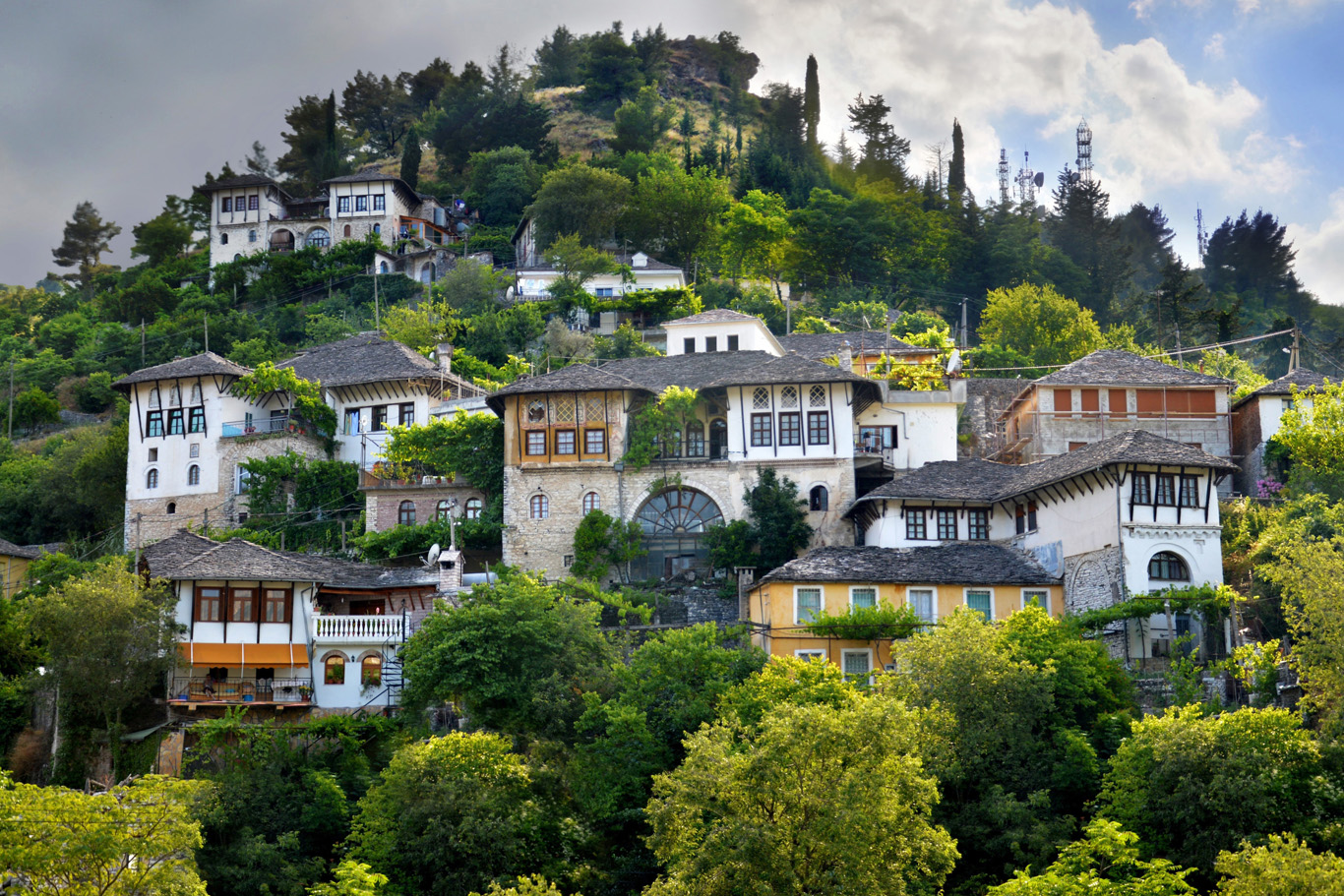
Berat and Gjirokastra (UNESCO Cities)
- Guesthouses in historic towers: €30–55 per room/night
- Boutique hotels: €60–95 per room/night
Staying inside the old city walls in either Berat or Gjirokastra is one of Albania’s most memorable experiences — and remarkably affordable for what you get. Several guesthouses here are converted Ottoman residences with incredible views.
Valbona and Theth (Northern Alps)
- Family guesthouses (full board): €30–50 per person/night including dinner and breakfast
Full-board guesthouse stays in the Albanian Alps represent extraordinary value — you’re getting homemade meals, a roof, a cultural experience, and some of Europe’s most dramatic mountain scenery for under €50 per person.
wp:image {“id”:370}
/wp:image
Food and Restaurant Costs: What a Meal Actually Costs in Albania
Albanian food is hearty, fresh, and remarkably inexpensive. The local restaurant culture — known as restorant or bufe depending on formality — caters primarily to locals, which keeps pricing honest.
Budget Eating
- Street food (byrek, petulla, roasted corn): €0.50–1.50
- Local café lunch (soup + main + water): €4–7
- Simple grill restaurant (qebap, tavë kosi): €5–9 per person
Mid-Range Dining
- Sit-down dinner with starter, main, wine or rakia: €15–25 per person
- Fish restaurant on the Riviera (fresh catch): €20–35 per person
- Tirana restaurant in a good neighbourhood: €18–30 per person
Premium Dining
- Upscale Tirana restaurant (wine pairing included): €40–65 per person
- Boutique hotel dinner or private chef experience: €50–90 per person
Compare this to Montenegro’s Bay of Kotor, where a mid-range dinner for two easily hits €70–90, or Greece’s Santorini, where the same meal runs €100+. Albania simply doesn’t price-gouge on food, and the quality — particularly fresh grilled meat, dairy, and local wine — is genuinely excellent.
Intercity Transport: Getting Around Albania on Any Budget
Transport is one of the most frequently misunderstood parts of Albania travel costs. The country has no rail network to speak of, so road transport dominates — but it’s cheap and increasingly well-organised.
Furgon (Shared Minibus) — The Budget Option
- Tirana → Berat: ~€3–4
- Tirana → Shkodra: ~€3–4
- Tirana → Saranda: ~€10–13
- Tirana → Gjirokastra: ~€8–10
Furgons depart when full and don’t always run to a fixed timetable, but they’re widely used by locals and completely reliable for budget travelers.
Private Transfer or Rental Car — Mid-Range to Premium
- Car rental (economy class, per day): €25–45
- Private driver/transfer Tirana → Saranda: €80–120 one way
- Private driver for a full day: €60–100
Renting a car gives you access to Albania’s most spectacular inland routes — the Llogara Pass, the Osumi Canyon, the Vjosa Valley — that public transport doesn’t reach effectively. If you’re considering a longer self-drive trip, our Albania 12 Day Tour itinerary shows exactly how we’d structure a comprehensive route through the country’s highlights.
wp:image {“id”:369}
/wp:image
Entrance Fees for Albania’s Major Sites
This is where Albania really impresses. Entry fees across the country are dramatically lower than comparable European heritage destinations.
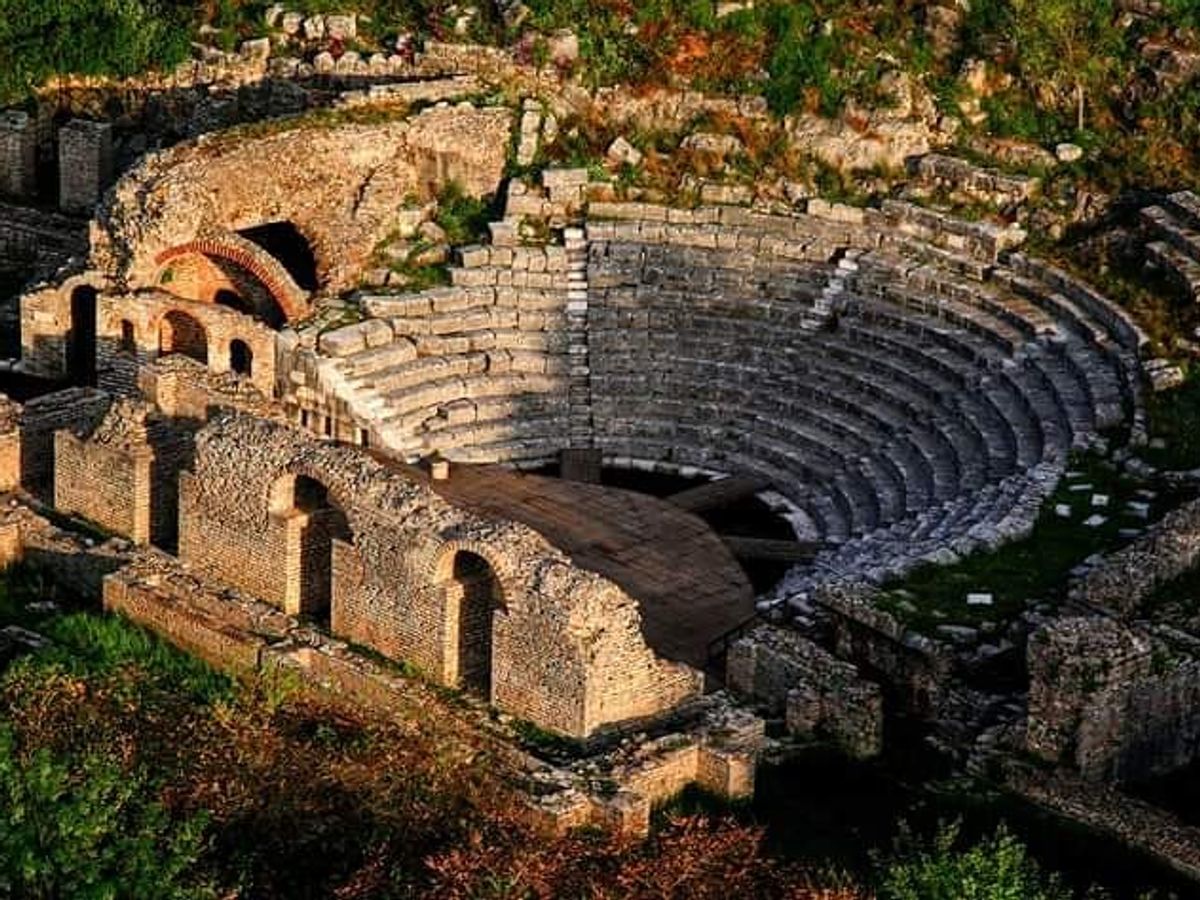
- Butrint National Park (UNESCO): €10 per person
- Berat Castle complex: Free to enter the castle district; museum entry €2–3
- Gjirokastra Castle: €3–4 per person
- Apollonia Archaeological Park: €5–7 per person
- National History Museum, Tirana: €3–4 per person
- Bunk’Art 1 & 2 (Cold War bunker museums, Tirana): €3–5 each
- Llogara National Park: Free entry
- Ali Pasha Castle, Himara: Free
Even visiting every major paid attraction in Albania over two weeks would cost well under €60 per person total. Compare that to Croatia’s Plitvice Lakes at €24–40 per day or Greece’s Acropolis at €20, and the savings accumulate quickly.
Guided Tours and Organised Experiences: What Should You Expect to Pay?
Guided experiences in Albania fall into three broad tiers, depending on group size, duration, and specialisation.
Day Tours (Group-Based)
- Half-day city tour (Tirana or Berat): €25–40 per person
- Full-day guided excursion (e.g., Butrint + Blue Eye): €45–70 per person
- Riviera day boat trip with lunch: €50–80 per person
Multi-Day Guided Tours
- 3–4 day organised tour (southern Albania): €200–350 per person
- 7–10 day comprehensive Albania tour: €650–1,100 per person (depending on accommodation tier)
Specialist and Trekking Experiences
- Guided Valbona–Theth trek (2 days, full board guesthouse): €120–160 per person
- Multi-day cultural and heritage tour: €150–250 per person per day (private, expert-guided)
If you’re drawn to Albania’s mountains specifically, our Albania Trekking & Culture 15-Day program combines the Albanian Alps with key cultural stops — it’s one of the most complete ways to experience the country across landscapes and history.
wp:image {“id”:368}
/wp:image
Albania vs Croatia, Montenegro, and Greece: A Direct Cost Comparison
Let’s put concrete numbers side by side. These are realistic daily averages for a mid-range traveler (comfortable accommodation, two restaurant meals, local transport, one attraction):
- Albania: €60–90 per person/day
- Montenegro: €90–130 per person/day
- Croatia: €110–160 per person/day
- Greece (mainland): €100–150 per person/day
- Greece (islands): €140–220 per person/day
A two-week trip to Albania for two people at mid-range averages roughly €1,680–2,520 total. The same trip profile in Croatia would cost €3,080–4,480. That’s a difference of €1,400–2,000 — more than enough to fund another full trip somewhere else. For a deeper look at how these countries stack up beyond price, see our Albania vs Croatia Balkan travel comparison.
Sample Daily Budgets: Three Traveler Profiles
The Budget Traveler (€25–40/day)
Staying in hostel dorms, eating byrek and local cafés, using furgons exclusively, and visiting free sites. Perfectly achievable and genuinely enjoyable — Albania’s backpacker scene is friendly and well-connected.
The Mid-Range Traveler (€65–100/day)
Comfortable guesthouse or 3-star hotel, two proper restaurant meals per day, occasional private transport, and paid attractions. This is the sweet spot where Albania really shines — you get a high-quality experience at prices that feel almost absurdly reasonable.
The Premium Traveler (€150–250+/day)
Boutique hotels, private guides, wine dinners, chartered boats along the Riviera. Even at the top end, Albania’s premium tier runs well below equivalent luxury in Greece or Croatia — you get exclusivity without paying Mykonos prices.
Frequently Asked Questions About Albania Travel Costs
Is Albania cheaper than Montenegro?
Yes, significantly. Montenegro has become increasingly expensive, particularly in Kotor and Budva. Albania consistently runs 25–40% cheaper across accommodation, food, and activities. We cover this in detail in our Albania vs Montenegro comparison.
Do I need to carry cash in Albania?
In Tirana and larger tourist areas, cards are increasingly accepted. In rural areas, mountain guesthouses, and smaller towns, cash (Lek) is essential. We recommend carrying a mix. ATMs are widely available in cities and most towns.
When is Albania most expensive to visit?
Peak season on the Riviera (mid-July through August) sees the sharpest price increases for coastal accommodation. Tirana and inland destinations remain relatively stable year-round. Visiting in June, September, or October gives you excellent conditions at noticeably lower prices.
Is tipping expected in Albania?
Tipping isn’t obligatory but is warmly appreciated. Rounding up a bill or leaving 10% at a restaurant is the norm. Guides and drivers appreciate tips if they’ve added real value to your experience.
Ready to Plan Your Albania Trip?
Albania’s value proposition isn’t a fluke or a temporary quirk — it’s the result of a country with genuine hospitality, lower living costs than its neighbours, and a tourism sector that hasn’t yet caught up with demand. That combination won’t last forever, and 2026 is still a genuinely good year to go. If you want to explore why this country keeps surprising people who visit, start with our piece on 10 reasons Albania should be your next adventure.
At Inside Balkan, we design itineraries for every budget tier across Albania and the broader Balkans. Whether you’re plotting a solo two-week backpacking route or looking for a fully guided premium experience, we can help you build something that makes real sense for what you want to spend. Visit us at insidebalkan.com to explore our current Albania programs and get in touch with our team directly through the site.
Albania isn’t just affordable — it’s one of the last places in Europe where your travel budget genuinely goes further than you expect. That’s rare, and it’s worth making the most of it while it lasts.

Garyalb86
Travel writer and Balkan enthusiast sharing stories and tips from Albania and beyond.
View All Posts