Albanian Riviera Travel: The Complete Guide to Albania’s Most Stunning Coastline
Tourism along the Albanian Riviera has grown by more than 400% over the past decade, yet the stretch of coastline running from Vlorë to Sarandë still receives a fraction of the visitors that crowd Croatian or Greek shores just across the Adriatic and Ionian Seas. In 2026, that gap between quality and crowd density remains one of the most compelling reasons to make Albanian Riviera travel a priority. We’re talking about 200+ kilometres of rugged limestone cliffs, hidden coves with water so clear you can count the pebbles at 4 metres depth, and hilltop villages where Ottoman-era stone houses have been converted into family-run guesthouses charging a fraction of what you’d pay in Dubrovnik. This guide covers everything — the best beaches, the right time to visit, how to get around, where to sleep, and what to eat — so you arrive informed and leave with memories that are genuinely hard to replicate elsewhere.
wp:image {“id”:12}
/wp:image
What Exactly Is the Albanian Riviera?
The term “Albanian Riviera” loosely describes the Albanian coastline south of the Llogara Pass, where the road drops dramatically from 1,027 metres altitude down to sea level in a series of switchbacks that deliver one of the most jaw-dropping coastal panoramas in all of Europe. The riviera proper spans roughly from Palasë in the north to Sarandë in the south, taking in a string of distinct settlements: Dhërmi, Himara, Qeparo, Borshi, Lukova, and Ksamil among them. Each has its own personality. Dhërmi draws younger crowds with beach bars and late nights. Himara offers a proper town infrastructure — pharmacies, supermarkets, ATMs — alongside several excellent beaches. Ksamil, just 3 kilometres from the Greek border and directly opposite Corfu, has developed quickly into a boutique beach destination with crystalline lagoon-style water and a cluster of small islands you can wade or swim to.
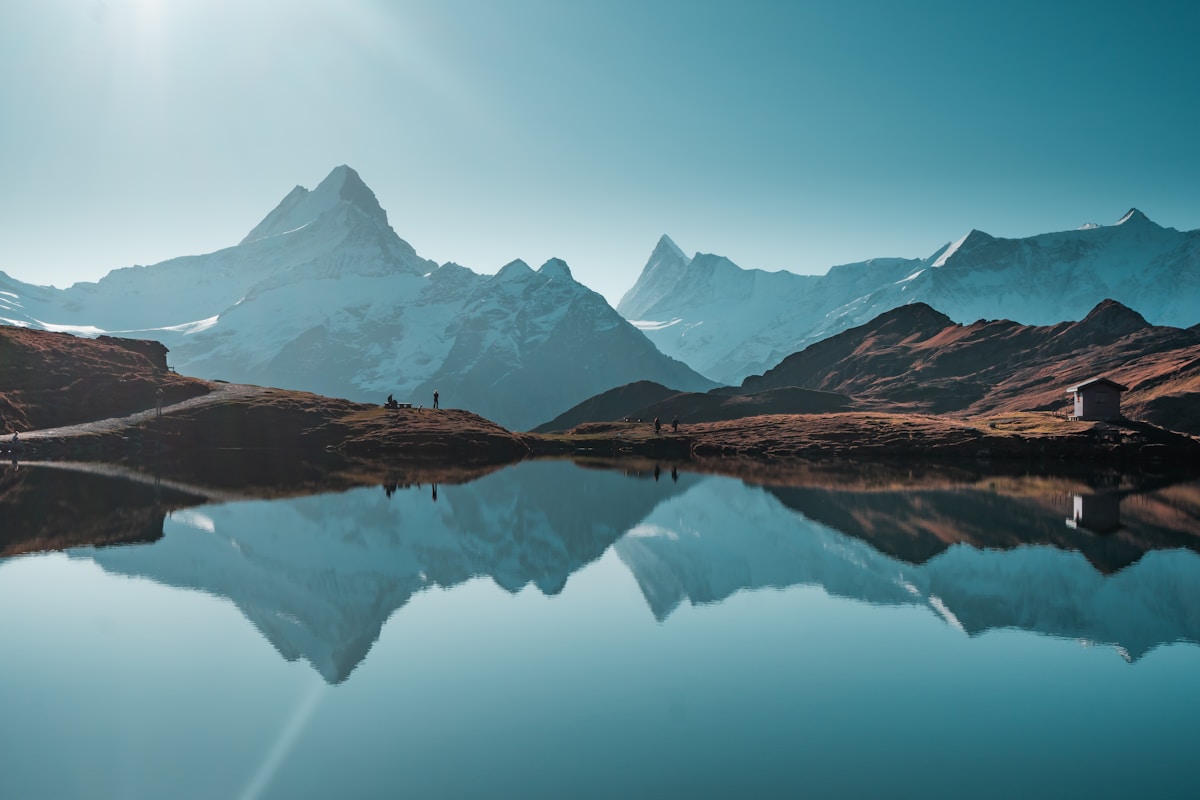
What unites all these places is geology: the Ceraunian Mountains plunge directly into the Ionian Sea here, creating the kind of steep, forested hillsides framing turquoise bays that photographers spend entire careers chasing. The water temperature averages 26°C in July and August, dropping to a still-swimmable 20°C by late September. The sea here is classified as some of the cleanest in the Mediterranean basin by EU water quality monitoring data, a consequence of low industrial activity and relatively modest tourism pressure up until very recently.
Best Beaches on the Albanian Riviera
Not all beaches are created equal along this coast, and understanding the differences saves you from spending a precious afternoon at a mediocre stretch of grey pebbles when a world-class bay is 20 minutes further down the road.
- Gjipe Beach: Accessible only by a 45-minute hike or by boat, Gjipe sits at the mouth of a dramatic canyon where a river meets the sea. The combination of fresh water and salt water creates an unusual microclimate and strikingly layered water colour. No sunbed operators, no bar — completely raw and completely unforgettable.
- Drymades Beach: A long arc of fine pebble and sand below Palasë village, backed by an olive grove that provides natural shade. Calmer water than some exposed beaches further south, making it a reliable choice for families with young children.
- Livadhi Beach (Himara): The main town beach in Himara stretches nearly 2 kilometres, with a mix of free public sections and organised beach clubs. Sunbeds typically run 500–800 ALL per day — roughly €5–8 — compared to €20–30 for equivalent facilities on the Greek islands visible from the same shoreline.
- Potami Beach: One of the least visited beaches on the entire riviera, reached via an unmarked track south of Borshi. White pebbles, zero infrastructure, and water colour that shifts from pale turquoise in the shallows to deep cobalt offshore.
- Ksamil Beaches: Four separate beach areas cluster around the Ksamil peninsula, with the tiny offshore islands creating a natural breakwater that produces extraordinarily calm, shallow water. Book sunbeds by 9am in July and August or plan to lay a towel on bare stone.
wp:image {“id”:329}
/wp:image
When to Go: Seasonal Breakdown for Albanian Riviera Travel
The honest answer is that the optimal window for Albanian Riviera travel is May through early June and then September through October. Here’s why: July and August bring genuine heat — daily highs of 34–38°C are normal — combined with the year’s highest visitor numbers. Accommodation prices double or triple. The coast road through Himara and Palasë, which is essentially a single-lane mountain road in several stretches, turns into a slow-moving queue of hire cars. The sea is magnificent, obviously, but the conditions surrounding it are considerably more stressful.
May and June offer water temperatures already reaching 22–24°C, empty beaches, accommodation at shoulder-season rates, and wildflowers covering the mountain slopes behind the coast in a yellow and purple display that’s worth the trip in its own right. September is arguably the best month of all: the water has absorbed a full summer of heat and sits at 25–27°C, the crowds thin almost overnight after the first week of the month, and the light takes on a golden quality that makes every photograph look deliberately composed.
October is genuinely underrated. Daytime temperatures around 22–25°C, very few other tourists, and the first autumn rains beginning to green up the parched hillsides. Several beach clubs close, but enough restaurants and guesthouses stay open to make a comfortable trip very possible. Winter visits are best reserved for those interested in hiking the coastal and mountain trails, as many accommodation options shut down entirely from November through March.
Getting There and Getting Around
Most international visitors arrive via Tirana International Airport (TIA), which receives direct flights from most major European hubs including London, Rome, Vienna, Istanbul, and Zurich. From Tirana to Sarandë by road takes roughly 4–5 hours depending on traffic through the mountain sections. The SH8 highway now connects Tirana to Fier efficiently, but the stretch through the Llogara Pass remains slow and requires genuine attention — it’s a spectacular drive, but not one to rush.
A second entry point worth knowing: the ferry from Corfu to Sarandë takes approximately 25–35 minutes on the fast catamaran service operated by multiple companies. For travellers already in Greece, this creates a natural side-trip option. Sarandë is a perfectly functional base for exploring the southern riviera section, with enough hotels, restaurants, and tour agencies to organise onward excursions easily.
Within the riviera itself, the options are: rent a car (the most flexible option), hire a local taxi driver for a day or half-day (negotiated directly, typically €50–80 for a full day covering multiple beaches), or use the furgon minibus network that runs between major settlements. The furgon system is cheap — rarely more than 200 ALL per journey — but schedules are irregular and services thin out considerably after 3pm. For unhurried exploration of remote beaches and canyon trails, a hire car remains the practical choice.
wp:image {“id”:18}

/wp:image
Where to Stay Along the Albanian Riviera
Accommodation has diversified rapidly over the past five years, moving well beyond the basic concrete guesthouses that characterised the coast a decade ago. In 2026 you’ll find a genuine spectrum: boutique hotels with infinity pools in Ksamil, family-run stone guesthouses in Dhërmi and Qeparo where a room with breakfast costs €35–50 per night, and an emerging collection of design-led villas available for weekly rental throughout the Himara area.
Our recommendation for first-time visitors is to base yourself in Himara for three nights, giving you car access north to Dhërmi and Gjipe and south toward Borshi and Qeparo, and then move to Ksamil for two or three nights to explore the lagoon beaches and make the day trip to Butrint National Park (a UNESCO World Heritage Site with 2,500 years of layered civilisation packed into a compact, forested peninsula). This two-base structure eliminates the need to drive the entire coast in a single direction under time pressure.
Those interested in luxury options will find that Sarandë has developed a cluster of 4-star properties with sea views, rooftop restaurants, and full concierge services. For a curated selection of itineraries and accommodation recommendations tailored to different travel styles, explore our Balkan Riviera travel planning hub, which covers everything from budget stays to premium experiences across the full coast.
Food, Drink, and Dining Culture
Albanian coastal cuisine draws on Italian influence (specifically from the large Albanian diaspora community in Italy and centuries of cultural exchange), Greek flavour principles, and Ottoman culinary traditions to produce a food culture that rewards adventurous eaters. On the riviera specifically, the seafood is the headline act. Grilled octopus, fresh-caught sea bass, mussels from Butrint Lagoon, and calamari prepared in olive oil with garlic and lemon appear on virtually every restaurant menu from Dhërmi to Ksamil.
Byrek — a flaky, baked pastry filled with spinach and white cheese, or meat, or sometimes just pure cheese — is the go-to breakfast and snack food available at bakeries in every town for 80–150 ALL. Tavë kosi, a baked lamb and yoghurt casserole originating from Elbasan but found across the south, represents Albanian home cooking at its most satisfying. Pair either with raki, the local grape or mulberry spirit served neat and at room temperature, and you’re eating and drinking the way the locals do.
Restaurant prices remain notably accessible by European standards. A full seafood dinner for two with house wine typically runs 2,500–4,000 ALL (€25–40). Even the beach club restaurants in Ksamil, which skew toward the premium end of the local market, rarely charge more than €15 for a main course.
Beyond the Beach: Cultural Experiences on the Riviera
Albanian Riviera travel rewards visitors who look inland as well as seaward. The hilltop villages above the coast — Qeparo Fshat, Borshi with its ancient castle, and particularly Palasë — contain traditional stone architecture that predates the communist period and offers a window into how this coast looked before the 20th century arrived. Walking between these upper villages and the coast below takes 45–90 minutes of steady downhill hiking and can be arranged as a one-way trip with transport back up to your starting point.
Butrint National Park, just south of Sarandë, deserves more than the two-hour rushed visit most people give it. The site contains a Greek theatre from the 4th century BCE, Roman baths, a Venetian castle, and Byzantine baptistery mosaics — all within a 3-kilometre walking circuit through forest alive with bird calls. Allow at least half a day and bring binoculars if birdwatching interests you; Butrint Lagoon is on a major migratory flyway and supports flamingos, herons, and numerous wading species.
Our team at Inside Balkan has spent years building deep local knowledge of these sites, working directly with guides, guesthouse owners, and community organisations throughout the south to create travel experiences that go beyond surface-level tourism. We know which local family in Qeparo makes the best homemade raki, which fisherman in Himara runs informal boat trips to otherwise inaccessible caves, and which canyon trails are walkable in July versus which ones should wait until September when the heat becomes less punishing.
Practical Information for 2026 Visitors
- Currency: Albanian Lek (ALL). €1 ≈ 100 ALL. Cards are accepted at hotels and larger restaurants, but cash remains necessary for local markets, furgon travel, and smaller guesthouses. ATMs are reliable in Sarandë and Himara; less so in smaller settlements.
- Visas: EU, UK, US, Canadian, and Australian passport holders can enter Albania without a visa for stays up to 90 days. Check current entry requirements through official government sources before travelling.
- Language: Albanian (Shqip) is the official language. English is widely spoken among younger Albanians and tourism workers throughout the riviera. Italian is understood by a surprising proportion of locals, particularly in older generations.
- Mobile Coverage: Good 4G coverage in all towns. Coverage in remote canyon and mountain areas is patchy — download offline maps via Maps.me or Google Maps before leaving settled areas.
- Health & Safety: Albania has a low crime rate for a European destination. Standard awareness about valuables and road safety applies. The coast road itself demands respectful driving — overtaking on blind bends is a genuine local habit that catches foreign drivers off guard.
- Swimming Safety: Most beaches lack lifeguard services. Several cove beaches have localised currents; ask locally before swimming at unfamiliar spots, particularly after periods of heavy wind.
For travellers who want to explore broader Balkan itineraries that combine the riviera with Montenegro, North Macedonia, or Kosovo, our traveler reviews section includes first-hand accounts from visitors who’ve done exactly that — useful reading for route planning and realistic expectation-setting.
Frequently Asked Questions About Albanian Riviera Travel
Is the Albanian Riviera safe for tourists in 2026?
Yes. Albania ranks among the safer destinations in the broader European and Mediterranean region for independent travellers. Violent crime targeting tourists is extremely rare. The primary safety considerations are road conditions — the mountain coast road requires careful driving and a patient approach — and the lack of organised beach safety infrastructure at more remote coves. Petty theft is uncommon but not unheard of in peak season at the most popular beaches; standard precautions about valuables apply.
How many days do you need on the Albanian Riviera?
A minimum of five days allows you to cover the main highlights without feeling rushed — two or three nights in the Dhërmi/Himara area and two nights around Ksamil and Sarandë covers the key beaches and allows a half-day at Butrint. Seven to ten days lets you slow down, explore inland villages, take boat trips to remote caves and beaches, and genuinely decompress rather than treating it as a checklist exercise.
What is the best base for exploring the Albanian Riviera?
Himara offers the best combination of central location, local infrastructure (ATMs, pharmacies, supermarkets, restaurants), and easy access to beaches both north and south. Sarandë is the better base for those primarily interested in Ksamil, Butrint, and potential day trips to Gjirokastër or Berat further inland. Dhërmi suits those prioritising nightlife and a younger social scene alongside beach time.
Is the Albanian Riviera expensive compared to other Mediterranean destinations?
By virtually any comparison, Albania remains one of the most affordable coastal destinations in Europe. In 2026, a comfortable mid-range day on the Albanian Riviera — guesthouse accommodation, three meals, beach sunbed hire, and local transport — typically totals €40–70 per person. The equivalent experience in Croatia, Montenegro, or the Greek islands costs two to three times that figure. Budget travellers staying in dormitory-style accommodation and eating from bakeries and local snack stalls can get that daily total below €30.
Can you visit the Albanian Riviera without a car?
Yes, but with limitations. Sarandë, Himara, and Dhërmi are all reachable by public bus or furgon from Tirana. Within each town, most beaches and restaurants are walkable. Moving freely between towns, reaching remote beaches, and exploring inland villages becomes significantly harder without private transport. Organised day tours departing from Sarandë cover most of the highlight beaches, offering a practical alternative for those who prefer not to drive.
What should I pack for an Albanian Riviera trip?
Water shoes are genuinely useful — many of the most beautiful beaches are pure pebble, and the rocks can be uncomfortably sharp underfoot. High-factor sun cream is available locally but more expensive than in northern European countries; bring a sufficient supply. A small daypack for canyon hikes and village walks is worthwhile. Lightweight layers for evenings in September and October, when temperatures drop quickly after sunset. A physical map or downloaded offline map covering the SH8 coast road is a sensible backup given patchy mobile coverage on some mountain sections.

Garyalb86
Travel writer and Balkan enthusiast sharing stories and tips from Albania and beyond.
View All Posts