Kosovo Travel Guide: Everything You Need to Know Before You Go
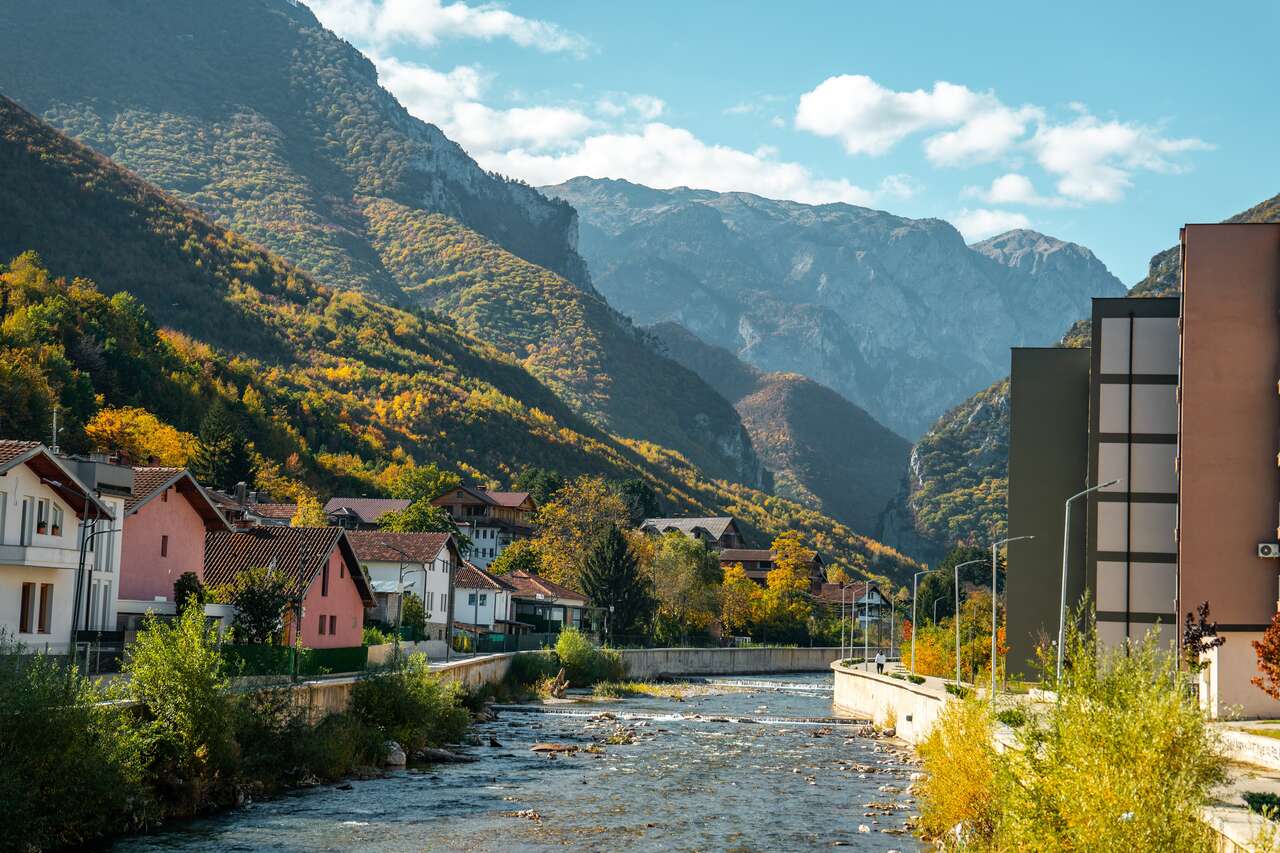
Spring arrives early in the Western Balkans, and by late March the highland meadows around Prizren are already turning green while the Sharr Mountains still hold their snow caps — a visual contrast that tells you exactly why Kosovo rewards travelers who show up with curiosity rather than a checklist. As someone who has spent considerable time on the ground across the region, we can say without hesitation that Kosovo is one of the most genuinely surprising destinations in Southeast Europe right now. This Kosovo travel guide is built from real field knowledge, not recycled tourism brochures, and it covers everything from border crossings to the best qebapa spots in Pristina.
Why Kosovo Deserves a Place on Your Balkans Route
Kosovo declared independence in 2008 and has since built a travel scene that runs completely on its own terms. The country is landlocked, bordered by Albania, Serbia, North Macedonia, and Montenegro, and covers roughly 10,887 square kilometers — making it one of Europe’s smallest territories by area. What it lacks in size it compensates for in density of experience. Within a single day’s drive you can move from Ottoman-era bazaars to medieval Serbian Orthodox monasteries to Accursed Mountains terrain that rivals anything in the Alps for raw drama.
The currency is the Euro, which eliminates exchange rate anxiety for most Western European visitors. Internet connectivity is reliable across urban centers, and Pristina in particular has developed a café culture that feels genuinely metropolitan. English is spoken widely among people under 35, partly because of the large diaspora influence from Germany, Switzerland, and the United States. If you’re planning a broader regional trip, our month-by-month guide to visiting the Balkans maps out how Kosovo fits alongside destinations like Albania and Montenegro across different seasons.
wp:image {“id”:166}
/wp:image
Getting Into Kosovo: Entry Requirements and Border Crossings
Citizens of the EU, US, Canada, Australia, and the UK can enter Kosovo visa-free for stays up to 90 days. Kosovo issues its own passports and travel documents, and travelers should be aware that entering Kosovo from Serbia requires some advance planning — Serbia does not recognize Kosovo’s independence and may question a Kosovo entry stamp if you subsequently enter Serbian territory. The workaround used by most experienced Balkan travelers is to enter Kosovo from Albania or North Macedonia first, avoiding any complications at Serbian land borders.
The most frequently used crossings from Albania are at Morina (near Kukes) and Qafë Prush. Both operate around the clock, and the Morina crossing in particular handles heavy truck traffic, so crossing during midday weekday hours typically moves faster than Friday evenings. The crossing at Blace connects Kosovo with North Macedonia and is the standard entry point for travelers arriving overland from Skopje.
- By air: Pristina Adem Jashari International Airport handles direct flights from Vienna, Istanbul, Zurich, Frankfurt, London, and several other European hubs. Wizz Air, Swiss, and Austrian Airlines are the main carriers.
- By bus: Regular bus connections link Pristina with Tirana (approximately 4-5 hours), Skopje (2 hours), and Podgorica (3 hours).
- By car: Kosovo uses a KS vehicle registration plate not recognized in Serbia — rental companies operating in Kosovo typically note this restriction in their contracts.
Pristina: The Capital Gets More Interesting Every Year
Pristina divides first-time visitors. The architecture is a layered record of Yugoslav concrete, post-war reconstruction, and a new wave of locally designed buildings that show a city actively working out its own visual identity. The Newborn monument — a bold typographic sculpture that gets repainted each year to reflect a new theme — has become the city’s most photographed landmark and captures something real about Pristina’s forward-looking temperament.
The National Library of Kosovo, designed by Croatian architect Andrija Mutnjaković and completed in 1982, is one of the most architecturally discussed buildings in the Balkans. Its dome structures covered in metal mesh are genuinely divisive, which is exactly what makes it worth visiting. The adjacent University of Pristina campus creates a walkable cultural corridor that includes the National Museum and the Kosovo Gallery of Arts.
For food, Pristina’s Çarshia e Madhe (Grand Bazaar) area in the old town anchors the best concentration of traditional restaurants. Order flija — a layered crepe-style dish cooked under an ember-covered lid — if you see it on the menu, as it represents one of Kosovo’s genuinely distinct culinary contributions. The café scene around Rexhep Luci Street runs until late on weeknights, and the density of independent coffee shops rivals cities three times Pristina’s size.
wp:image {“id”:15}

/wp:image
Prizren: Kosovo’s Most Visually Complete City
If Pristina is Kosovo’s brain, Prizren is its heart. Positioned along the Bistrica River at the foot of the Sharr Mountains, Prizren contains the highest concentration of preserved Ottoman architecture in Kosovo, including the Sinan Pasha Mosque (1615), the Gazi Mehmed Pasha Hamam (still operational), and the stone-arched bridge that anchors the old town’s most photographed view. The Prizren Fortress above the city dates to Byzantine origins and was expanded through Ottoman rule — the climb up takes about 20 minutes and delivers a panorama that contextualizes the entire Sharr valley.
The city also holds significant Serbian Orthodox heritage in the Bogorodica Ljeviška church, a UNESCO-listed building that blends Byzantine and Romanesque construction techniques in a way that architectural historians specifically travel to study. Prizren hosts Dokufest each August, one of the Balkans’ most respected documentary film festivals, which draws international filmmakers and turns the old town into an outdoor screening venue for a week.
Peja (Peć) and the Rugova Canyon
Peja is Kosovo’s western anchor and the gateway to terrain that outdoor travelers genuinely need to plan around. The Patriarchate of Peć — a complex of three interconnected churches built between the 13th and 14th centuries — sits at the mouth of the Rugova Canyon and represents one of the most significant medieval religious sites in the entire Balkans. Entry requires a short passport check (the complex is administered by the Serbian Orthodox Church under KFOR protection), and the interior frescoes are in a state of preservation that justifies the modest logistical effort.
The Rugova Canyon itself stretches roughly 25 kilometers into the Prokletije (Accursed Mountains) range. Via ferrata routes have been installed on the canyon walls, and several local outdoor companies run guided climbing and canyon tours from Peja’s center. The town’s çarshia (bazaar) produces some of Kosovo’s best sharri cheese — a firm, slightly salty mountain cheese made from sheep’s milk that you’ll find vacuum-packed at shops near the main square. For serious mountain hikers, the Prokletije connects directly with the Albanian Alps, where the legendary Valbona to Theth hike begins on the Albanian side of the same mountain system.
Deçan Monastery and the Road South
Between Peja and Prizren, the road passes through Deçan, home to a Visoki Dečani Monastery that many architectural scholars consider the finest example of Romanesque-Gothic architecture in the Balkans. Construction began under King Stefan Dečanski in 1327, and the white marble exterior has survived nearly seven centuries in remarkably intact condition. The interior holds over a thousand individual frescoes — a density that makes the space feel like a painted encyclopedia of 14th-century Byzantine iconography. KFOR troops from Italy maintain a checkpoint outside, and visitors are expected to dress conservatively and maintain quiet inside the church.
wp:image {“id”:18}

/wp:image
Practical Information for Visiting Kosovo in 2026
Kosovo operates on Central European Time (UTC+1, UTC+2 in summer). Mobile data is available through local SIM cards from IPKO and Vala — both sell tourist SIMs at Pristina airport for around €5-10 with generous data packages. ATMs are widespread in Pristina, Prizren, and Peja, and most guesthouses in these cities accept card payments. In smaller towns and rural areas, carry cash.
Accommodation options have expanded significantly over the past five years. Pristina now has several internationally branded business hotels alongside a strong independent guesthouse scene. Prizren’s old town has a cluster of boutique guesthouses in restored Ottoman-era stone buildings, with nightly rates typically running €40-70 for a double room. Peja’s accommodation base suits travelers prioritizing outdoor activity over urban amenities. For travelers planning a multi-country itinerary that weaves Kosovo into a broader Balkans journey, our team at Inside Balkan works directly with local guides and accommodation providers across the region.
- Best months to visit: May, June, September, and October offer the most comfortable temperatures (18-26°C) and avoid the peak summer heat that pushes July and August into the low 30s in Pristina.
- Budget range: Kosovo remains one of the most affordable destinations in Europe. A daily budget of €40-60 covers accommodation, meals, and local transport comfortably outside of Pristina’s higher-end establishments.
- Health: No vaccinations are specifically required for Kosovo, though routine immunizations should be current. Tap water in Pristina is technically safe but many locals prefer bottled water.
- Safety: Kosovo ranks as a low-risk destination for tourists. Petty theft occurs in busy urban areas as in any European city, but violent crime targeting travelers is rare.
- Local transport: Furgons (shared minibuses) connect all major towns and represent the most cost-effective way to travel between cities. Fixed-route taxis operate from Pristina’s main bus station.
Kosovo and Albania: The Natural Cross-Border Route
Kosovo and Albania share more than a border. The two countries share language, culture, and a mountain landscape that makes a combined itinerary feel completely organic rather than forced. The corridor from Tirana north through Shkodra, into the Albanian Alps, and across into Kosovo through the Morina crossing is increasingly used by travelers who want the full northern Balkans alpine experience in a single trip. Prizren and Gjakova are both within two hours of the Albanian border, and the road quality on the Kosovo side has improved substantially through EU infrastructure investment.
If you’re a tour operator or travel professional looking to build Kosovo into your product offerings, our partnership program at Inside Balkan connects you with vetted local guides, transportation providers, and accommodation contacts who specialize in this cross-border corridor.
Frequently Asked Questions About Kosovo Travel
Is Kosovo safe for tourists in 2026?
Yes. Kosovo is consistently rated as safe for tourists by UK Foreign Office, US State Department, and EU travel advisories. The international KFOR peacekeeping presence around sensitive heritage sites is normal and unobtrusive. Standard urban travel precautions apply in Pristina — keep valuables secured in crowded areas. The country’s hospitality culture runs deep, and solo travelers, families, and LGBTQ+ travelers generally report positive experiences, though rural areas remain more conservative in social attitudes.
Do I need a visa to visit Kosovo?
Citizens of EU member states, the United States, Canada, Australia, New Zealand, Japan, South Korea, and the United Kingdom do not need a visa for stays up to 90 days within a 180-day period. Kosovo has expanded its visa-free agreements significantly in recent years. Citizens of countries not on the visa-free list must apply through a Kosovo embassy in advance — the closest options for many travelers are Kosovo embassies in Tirana, Berlin, Vienna, or London.
What language do people speak in Kosovo?
Albanian and Serbian are both official languages of Kosovo. Albanian is the dominant language spoken by approximately 95% of the population. English is widely understood in Pristina, Prizren, and among younger Kosovars nationwide. German is also frequently encountered, reflecting decades of labor migration to German-speaking countries.
Can I use the Euro in Kosovo?
Yes. Kosovo uses the Euro as its official currency despite not being a eurozone member in the formal EU sense. This makes budgeting straightforward for travelers arriving from Western Europe. Credit and debit cards are accepted at most restaurants, hotels, and shops in major urban areas.
How many days do I need to see Kosovo properly?
A focused three-day itinerary can cover Pristina, Prizren, and one of the monastery sites (either Deçan or the Patriarchate of Peć). Five days allows a more relaxed pace that includes Peja, the Rugova Canyon, and meaningful time in Prizren’s old town. A full week opens up the possibility of day hikes into the Prokletije or a cross-border excursion into northern Albania.
What is the best way to get from Albania to Kosovo?
The most direct route runs from Tirana or Shkodra north through Kukes to the Morina border crossing, then directly into Prizren (approximately 45 minutes from the border). The journey from Tirana to Prizren by bus takes around 4 hours. By car, the road is fully paved and straightforward, and the drive through the Drin valley between Shkodra and Kukes passes through some genuinely spectacular mountain scenery.

Garyalb86
Travel writer and Balkan enthusiast sharing stories and tips from Albania and beyond.
View All Posts