Berat Albania Guide: Everything You Need to Know Before You Visit
Most travelers arriving in Albania head straight for the coast or the northern mountains, and somewhere between scrolling through Instagram photos and booking flights, Berat gets overlooked. That’s a mistake worth correcting before you finalize any itinerary. This berat albania guide exists to solve exactly that problem — giving you the ground-level knowledge that turns a half-day stopover into one of the most rewarding experiences the Balkans can offer. Berat isn’t just another UNESCO-listed city with a castle on a hill. It’s a living, breathing Ottoman-era town where people still cook lamb over open fires, where 18th-century churches sit next to working mosques, and where the light at golden hour turns every stone wall the color of warm honey.
Why Berat Deserves More Than a Passing Visit
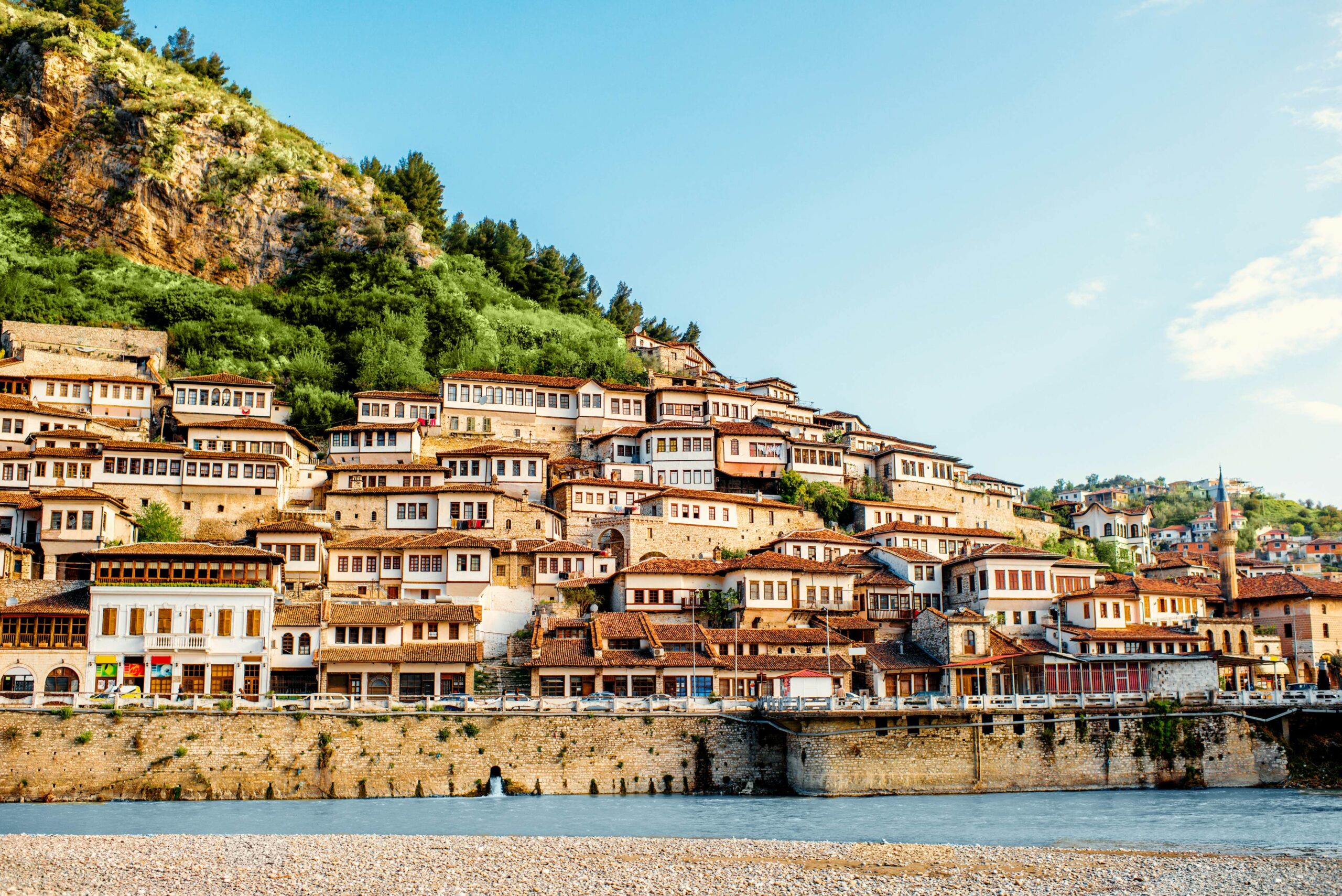
Berat earned its UNESCO World Heritage status in 2008 for good reason. The city carries the nickname “the City of a Thousand Windows,” a reference to the stacked rows of large Ottoman-style windows that cascade down Mangalem and Gorica, the two historic residential quarters that flank the Osum River. But what the nickname doesn’t capture is the texture of daily life here — the old women tending vegetable plots inside the castle walls, the sound of water running through channels carved into 500-year-old cobblestones, the particular quiet of a Sunday morning in the upper city.
For travelers who want to understand why Albania is genuinely worth your time, Berat makes the case more eloquently than almost anywhere else in the country. If you’re still weighing up whether Albania fits your travel plans, our detailed breakdown of 10 Reasons to Visit Albania for Your Next Adventure | Inside Balkan covers the broader picture with honest, experience-based analysis.
wp:image {“id”:147}
/wp:image
Understanding Berat’s Layout: Three Distinct Zones
First-time visitors often arrive slightly disoriented because Berat isn’t a single coherent neighborhood — it’s three overlapping historical layers stacked on top of each other, connected by steep cobblestone paths and narrow passages.
Kalaja (The Castle Quarter)
Kalaja sits at the top, enclosed within Byzantine walls that were reinforced by the Ottomans in the 13th and 14th centuries. Unlike most European castles, this one was never fully abandoned. Roughly 200 people still live inside the walls today, tending gardens, running small guesthouses, and going about ordinary lives in an extraordinary setting. The Onufri Museum, housed inside the Church of the Dormition of St. Mary, displays some of the finest examples of 16th-century Albanian iconography in existence. Onufri was the master icon painter of the Albanian Renaissance period, and his use of a vivid red pigment — derived from mercury sulfide — remained technically unmatched in the region for over a century.
Mangalem Quarter
Below Kalaja on the west bank of the Osum sits Mangalem, the historic Muslim residential quarter. This is where the famous stacked-window houses are most concentrated, climbing the hillside in rows that seem almost impossible given the gradient. The Bachelors’ Mosque (Xhamia e Beqarëve), dating to 1827, and the Lead Mosque (Xhamia e Plumbit), built in 1555, both sit within walking distance of each other. Neither is a tourist attraction in the commercial sense — both are active places of worship, and visits should be timed respectfully around prayer schedules.
Gorica Quarter
Gorica occupies the east bank of the Osum, connected to Mangalem by a pedestrian bridge. It’s historically the Christian quarter, and its Orthodox churches — including St. Thomas (13th century) and St. Constantine and Helen (18th century) — contain frescoes that survived centuries of political upheaval including the communist-era prohibition on religious practice. Gorica is quieter than Mangalem, with fewer guesthouses and restaurants, making it a better choice for afternoon walks when you want the architecture without the tourist foot traffic.
Getting to Berat: Practical Transport Details
Berat sits approximately 120 kilometers south of Tirana, and the journey takes around 2 to 2.5 hours depending on traffic. Furgons (shared minibuses) depart from Tirana’s Kombinat bus station throughout the morning, typically between 06:00 and 14:00. The fare runs around 400-500 Albanian lek (roughly €4). Return furgons from Berat to Tirana leave from the main bus station on Ruga Shen Mëhilli and follow similar morning-heavy scheduling — plan to leave before 14:00 if you’re relying on public transport.
Private transfers from Tirana cost between €40-60 depending on the operator and vehicle type. For travelers building a more ambitious Albanian itinerary, Berat fits naturally into a loop that also includes Gjirokastër, the Riviera, and the Vlorë region. Our Albania 12 Day Tour – Cultural & Historic | Inside Balkan shows exactly how Berat connects with the country’s other major sites within a structured, logistically sound framework.
wp:image {“id”:37}

/wp:image
Where to Stay in Berat: Honest Accommodation Advice
The best accommodation in Berat falls into two categories: guesthouses inside Kalaja (the castle) and boutique hotels or family-run pensions in Mangalem. Staying inside the castle walls means waking up above the entire city with views across the Osum valley — this is worth the slightly steeper climb, especially in summer when the lower quarters hold heat well into the evening.
Guesthouses within Kalaja typically run between €30-55 per night for a double room with breakfast. Quality varies considerably — the better-run properties include Guesthouse Kalaja, which has occupied the same stone building since the Ottoman period, and several family operations that have opened in the past decade as heritage tourism has grown. In Mangalem, Hotel Mangalemi and Guesthouse Berati consistently receive strong reviews from independent travelers for their food, local knowledge, and attention to detail. Budget travelers can find clean, comfortable rooms in the €18-28 range in the newer residential areas between the historic quarters and the modern city center.
Food in Berat: What and Where to Eat
Albanian cuisine in Berat leans heavily on slow-cooked meat dishes, fresh vegetables, and dairy products from the surrounding Myzeqe plain — one of Albania’s most productive agricultural zones. The dish most closely associated with Berat is tave kosi, a baked lamb and rice casserole cooked in a sauce of yogurt and eggs that becomes custardy and slightly caramelized at the edges. It’s prepared differently here than in Tirana, with a higher lamb-to-rice ratio and a longer cooking time.
Fergesë Beratase is another local specialty — a cooked pepper and cottage cheese dish that appears on almost every menu in the old quarters but rarely achieves the same depth of flavor outside the region. Restaurants worth seeking out include Antigoni on the Gorica side of the river, which has been serving traditional Albanian food since the 1990s and uses produce from family farms in the surrounding hills.
Wine culture has grown noticeably in Berat since 2020, with several small producers in the Tomorr Mountain foothills now selling direct to restaurants in the city. The Shesh i Bardhe and Shesh i Zi grape varieties — both indigenous to Albania — produce dry whites and reds that pair well with the rich local cooking. Ask your guesthouse host for current recommendations on small producers; the landscape of local wine changes faster than any printed guide can track.
wp:image {“id”:18}

/wp:image
Best Time to Visit Berat
Berat sits in a river valley, which creates its own microclimate — summers are genuinely hot, with July and August temperatures regularly hitting 36-38°C in the valley floor. The castle, being elevated, catches more breeze, but the cobblestone paths absorb heat and radiate it back in the afternoon. For visiting the historic quarters comfortably, April through June and September through October represent the most practical windows. Spring brings wildflowers to the hillsides around Kalaja, and the Osum River runs higher and bluer than at any other time of year.
Winter visits to Berat are underrated. December through February sees fewer than 20 tourists on most days, accommodation prices drop by 30-40%, and the stone architecture looks dramatically different under low cloud or occasional snow. The restaurants that remain open during winter serve heartier food and are more willing to let you sit for hours. For a complete breakdown of when different parts of Albania and the wider region are at their best, our Best Time to Visit the Balkans: Month-by-Month Guide | Inside Balkan gives month-by-month analysis across all the major destinations.
Day Trips from Berat
Berat works well as a base for several worthwhile excursions into the surrounding region:
- Apollonia Archaeological Park — 50 kilometers west of Berat, this ancient Greek city founded in 588 BC contains some of the best-preserved Hellenistic urban planning in the Balkans. The on-site museum holds a genuinely impressive collection of coins, sculptures, and inscriptions from the 4th and 3rd centuries BC.
- Osum Canyon — Beginning roughly 20 kilometers east of Berat near Çorovodë, the Osum River has carved a gorge up to 80 meters deep through limestone bedrock. Rafting trips operate from March through May when water levels are high enough. The canyon walls display visible geological strata spanning millions of years.
- Bogova Waterfall — A 45-minute drive from central Berat, this waterfall drops approximately 25 meters into a pool suitable for swimming. The path through the olive groves from the parking area to the falls passes through working farmland that gives you a clear picture of agricultural life in the Berat hinterland.
- Mount Tomorr — The sacred mountain above Berat, reaching 2,416 meters, holds enormous cultural significance for the Bektashi religious order. The annual pilgrimage in mid-August draws thousands of visitors from across the Balkans and the Albanian diaspora. Independent hiking on Tomorr requires solid navigation skills and appropriate mountain gear.
Practical Information for Visiting Berat
Entry to Sites
Access to the Kalaja area is free — there are no gates or ticket barriers on the main paths up from Mangalem. The Onufri Museum charges a small entry fee (currently around 200 lek). The National Ethnography Museum, housed in an 18th-century Ottoman-era house in Mangalem, charges similarly and provides excellent context for understanding how households functioned across different social strata in the Ottoman period.
Currency and Payments
Albanian lek remains the only accepted currency for most transactions in Berat. While Tirana has seen card payments expand rapidly, cash dominates in Berat’s guesthouses, restaurants, and shops — especially in the historic quarters. ATMs are available in the modern city center on Bulevardi Republika, approximately 10-15 minutes walk from Mangalem. Bring more cash than you think you’ll need, particularly if you’re planning to eat at smaller family-run establishments.
Language
Albanian (specifically the Tosk dialect, which predominates in southern Albania) is the primary language in Berat. English is spoken reasonably well by most guesthouse owners and younger restaurant staff, but less reliably by older residents and shopkeepers. Learning five to ten basic Albanian phrases — greetings, numbers, “thank you,” and “how much” — makes a genuinely measurable difference in how local people respond to you.
How Berat Fits Into a Longer Albania Itinerary
Two to three days in Berat gives you enough time to explore Kalaja thoroughly, walk both historic quarters at different times of day, visit the main museums, and take at least one day trip. Spending fewer than two nights means you’ll leave with a good impression but an incomplete one — Berat rewards the traveler who slows down enough to notice the details that don’t appear in any guidebook.
For travelers who want to combine Berat with serious trekking in the Albanian Alps, our Albania Trekking & Culture 15 Days | Inside Balkan itinerary integrates cultural stops in the south with physical challenges in the north, creating a journey that captures the full range of what Albania offers across a single, well-structured trip.
Frequently Asked Questions About Berat, Albania
How many days should I spend in Berat?
Two to three days is the practical minimum for seeing Berat properly. One day gives you a surface impression of Kalaja and Mangalem, but you’ll miss the quieter details — the early morning light on the castle walls, the afternoon atmosphere in Gorica, and the time needed to eat well and have real conversations with local hosts. Three days allows for a day trip to Apollonia or the Osum Canyon without feeling rushed in the city itself.
Is Berat safe for solo travelers?
Berat is consistently considered one of the safer destinations in the Balkans for solo travel, including for women traveling alone. The historic quarters are well-lit and populated in the evenings, and the scale of the city means you’re rarely far from other people or open businesses. Standard travel awareness — keeping track of your belongings, avoiding poorly lit streets after midnight — applies as it would anywhere in Europe.
What is the best neighborhood to stay in Berat?
Staying inside Kalaja (the castle quarter) gives you the most atmospheric experience, particularly at night when the day-trippers leave and the city quiets down. Mangalem is the most convenient base for restaurants and access to both historic quarters. Gorica is quieter and better for travelers who prioritize solitude over immediate access to food options. The modern city center is practical and affordable but lacks character.
Can I visit Berat as a day trip from Tirana?
Technically yes, but it’s not recommended. The return journey from Tirana takes 2-2.5 hours each way, which leaves only 4-5 hours in the city — barely enough to walk Kalaja and Mangalem, let alone eat properly or absorb the atmosphere. If you only have one day, go, but be aware you’ll be making a significant compromise. An overnight stay transforms the experience entirely.
What language do people speak in Berat?
The local population speaks Tosk Albanian, the southern dialect of the Albanian language. English is understood in most tourist-facing businesses. Italian is also useful in some contexts, as Albanian television has historically broadcast a great deal of Italian programming and many older Albanians developed passive Italian comprehension during the communist isolation period. Greek is occasionally useful near the southern border regions but less so in Berat specifically.
When is the worst time to visit Berat?
Mid-July and August are the most challenging months — temperatures in the valley regularly exceed 36°C, and the cobblestone paths in Kalaja become uncomfortable to walk on during afternoon hours. The castle walls also retain heat, making the upper city noticeably warmer than the surrounding countryside. If visiting in summer is your only option, plan your castle and quarter exploration for early morning (before 10:00) and late afternoon (after 17:00), and spend the hottest hours near the river or inside air-conditioned spaces.

Garyalb86
Travel writer and Balkan enthusiast sharing stories and tips from Albania and beyond.
View All Posts