Albania Travel Guide: Everything You Need to Know Before You Go
Think Albania is just “that country next to Greece that nobody visits”? Compare that to, say, Croatia or Santorini — packed beaches, sky-high prices, tourist traps on every corner — and suddenly Albania starts looking like the smartest travel decision you could make in 2026. This Albania travel guide is built for curious, independent travelers who want the real story: what to expect, where to go, how to get around, and why this small Balkan nation keeps showing up on every “underrated destination” list year after year. Spoiler: it’s not underrated anymore — but it’s still wonderfully authentic.
Why Albania Is Worth Your Time in 2026
Albania sits at a fascinating crossroads. It spent 45 years under one of the most isolationist communist regimes in history — Enver Hoxha’s government literally banned private cars and built over 170,000 concrete bunkers across the country. That history left behind a nation with extraordinary architecture, deeply preserved traditions, and a hospitality culture that hasn’t been diluted by decades of mass tourism. Walking into a village in the Accursed Mountains feels genuinely different from walking into a tourist-polished village in Tuscany.
In 2026, Albania is in a sweet spot. Infrastructure has improved dramatically — the road from Tirana to Shkodër is fast and comfortable, the Riviera has boutique hotels now — but it hasn’t tipped into over-development. Prices remain remarkably accessible compared to Western Europe. A solid restaurant meal in Berat or Gjirokastër will run you €6–10. A guesthouse bed in the Albanian Alps? Often under €25 including breakfast.
If you want to understand the full picture of what this country offers before committing to a trip, check out our deep-dive into 10 reasons Albania should be your next adventure — it covers the cultural, geographic, and experiential arguments in detail.
wp:image {“id”:37}

/wp:image
When to Visit Albania
Albania has three distinct climate zones packed into a country roughly the size of Maryland. The coast runs warm and dry from May through October — peak beach season is July and August, when Albanian and Kosovar vacationers flood the Riviera and accommodation prices double. The interior cities like Berat and Gjirokastër are pleasant nearly year-round, though January and February bring cold nights. The Albanian Alps in the north — the Valbona Valley, Theth, and the surrounding Prokletije range — are best visited between June and September, when the hiking trails are snow-free and the guesthouses are open.
Our honest recommendation: late May through June and September through mid-October are the golden windows. Crowds are thin, temperatures are ideal, and the landscape is either lush green (spring) or golden and crisp (autumn). Avoid the first two weeks of August unless you specifically want the beach party atmosphere — traffic on the coastal road can be genuinely brutal. For a full breakdown of conditions month by month across the entire region, our month-by-month guide to visiting the Balkans is the most thorough resource we’ve put together.
The Key Regions: Where to Actually Go
Tirana — The Surprising Capital
Most travelers spend one or two nights in Tirana and move on — that’s enough. But don’t skip it entirely. The Blloku neighborhood, once reserved exclusively for Communist Party elites, is now a buzzing quarter of cafés, street art, and restaurants. The National History Museum on Skanderbeg Square has genuinely excellent exhibits on Albania’s Illyrian roots and Ottoman period. The pyramid-shaped former Enver Hoxha mausoleum, now covered in murals and used as a climbing attraction for local kids, is one of the stranger and more memorable sights in the Balkans.
The Albanian Riviera — Beaches Without the Crowds
The stretch of coastline from Vlorë south to Sarandë includes some of the clearest water in the Mediterranean. Himara, Dhermi, Palasë, and Borsh each have their own character. Dhermi attracts a younger party crowd; Borsh is quieter and backed by olive groves. Sarandë, directly across the strait from Corfu, has grown significantly but remains far more affordable than its Greek neighbor. From Sarandë you can day-trip to the ancient ruins of Butrint, a UNESCO World Heritage Site with Phoenician, Greek, Roman, Byzantine, and Venetian layers — all in one archaeological park.
wp:image {“id”:12}
/wp:image
Berat and Gjirokastër — The UNESCO Cities
Both cities carry UNESCO World Heritage status, and both earn it. Berat — called “the city of a thousand windows” — stacks Ottoman-era white houses up a steep hillside toward a Byzantine castle. The view from the castle at dusk, looking out over the Osum River valley, is genuinely one of the most beautiful urban panoramas in all of southeastern Europe. Gjirokastër is harder-edged, built from grey stone, with a massive Ottoman-era bazaar and a castle that doubles as a national arms museum. Enver Hoxha was born here, and the house is still pointed out by locals with a complicated mixture of pride and discomfort.
The Albanian Alps — For Serious Hikers
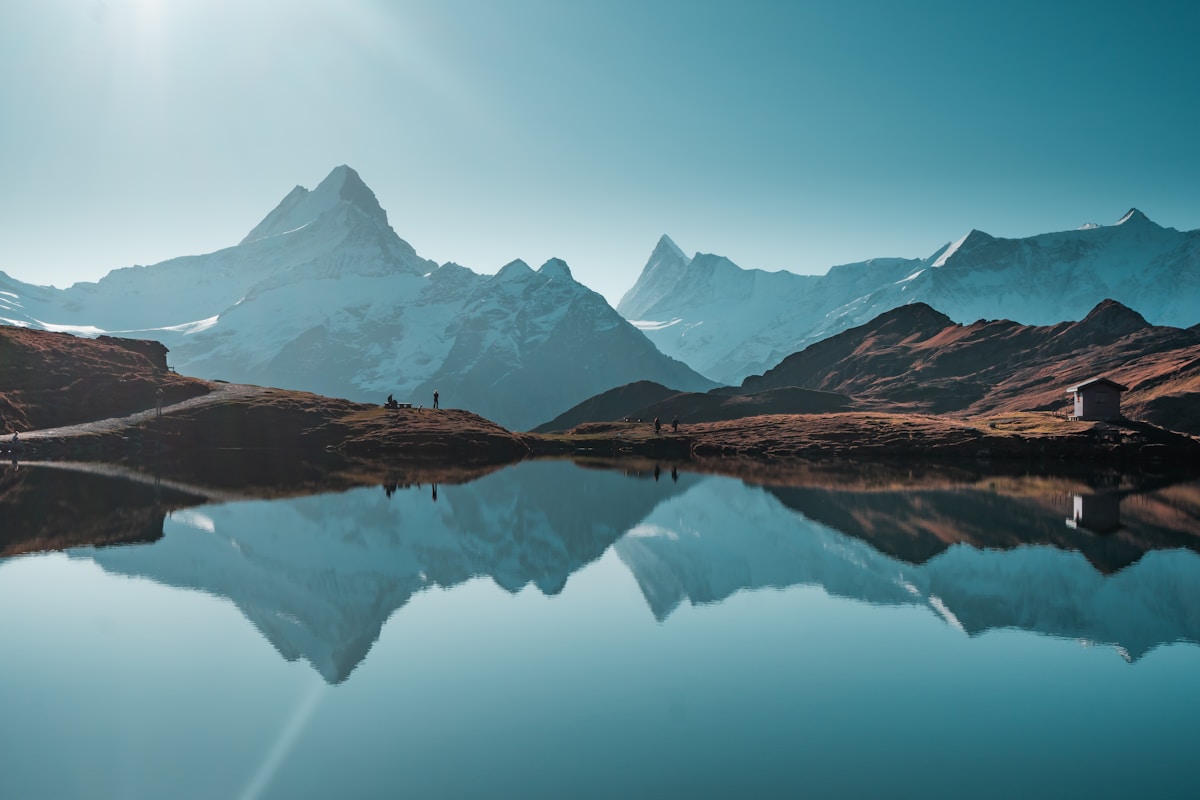
The Valbona Valley and Theth are the stars of Albania’s mountain hiking scene. The classic one-way trek from Valbona to Theth covers approximately 16 kilometers and crosses the Valbona Pass at around 1,800 meters. It takes most hikers 5–7 hours and ranks among the finest day hikes in all of Europe — not just the Balkans. Guesthouses in both villages are family-run, meals are home-cooked, and the scenery rivals anything in the Swiss Alps at a fraction of the cost. We’ve put together a complete guide to the Valbona to Theth hike covering trail conditions, logistics, accommodation booking, and what to pack.
wp:image {“id”:18}

/wp:image
Getting Around Albania
Albania’s public transport network is functional but requires patience. Furgons — shared minivans — connect most towns and cities and are cheap (Tirana to Berat costs around €3). They leave when full, not on a fixed schedule, which means morning departures work well but afternoon travel can be unreliable. Buses connect the major cities on more predictable schedules.
Renting a car unlocks the country significantly. Roads between major cities are now generally good, but mountain roads in the north — particularly the SH20 through the Valbona Valley — are narrow, unpaved in sections, and require confident driving. If you’re planning to cover multiple regions in one trip, a car gives you access to hidden villages, roadside tavernas, and spontaneous detours that furgon travel simply can’t offer. Just budget for fuel, which is priced similarly to Western Europe despite the lower general cost of living.
Albanian Food: What to Eat and Where
Albanian cuisine is built on grilled meats, fresh dairy, and vegetables grown in rich Adriatic soil. Tavë kosi — baked lamb and rice in a yogurt-egg sauce — is the national dish and extraordinarily good when made properly. Fërgesë is a Tirana specialty: cottage cheese, roasted peppers, and tomatoes baked together in a clay pot. Byrek, a flaky pastry filled with spinach, meat, or cheese, shows up at every bakery for breakfast and costs next to nothing.
Seafood on the coast is predictably excellent — Sarandë’s waterfront restaurants serve octopus, sea bass, and shrimp pulled from local waters that morning. Inland, lamb and veal dominate. Albanian wine is underrated: the Kallmet grape from the Shkodër region produces an earthy red worth seeking out, and the Puls winery near Berat has become a legitimate destination in its own right. Raki — grape brandy — is served with almost every meal and refusing it politely is an art form worth practicing.
Practical Information: Visas, Currency, and Safety
Citizens of EU countries, the US, UK, Canada, and Australia can enter Albania without a visa for stays up to 90 days. The official currency is the Albanian lek (ALL). As of 2026, the exchange rate sits roughly around 100 lek to the euro, making mental math simple. ATMs are widely available in cities and larger towns; carry cash when heading into rural areas, particularly the mountain north where card payment infrastructure is still limited.
Albania is genuinely safe for travelers. The crime rate targeting tourists is low, and the culture of besa — a deeply held Albanian code of honor toward guests — creates an atmosphere where strangers go out of their way to help. Solo female travelers report positive experiences, though as with any destination, standard situational awareness applies in larger cities at night. The one practical safety note worth taking seriously: mountain road driving after dark in the north is legitimately dangerous and best avoided.
How Long Do You Need?
A week gives you a solid taste: Tirana, one UNESCO city, and either the Riviera or the Alps. Ten to twelve days lets you combine everything meaningfully without feeling rushed. If you want to hike seriously and also explore the south, two weeks is the right frame. We’ve designed our Albania 12-day cultural and historic tour specifically around this pacing — it hits the major landmarks while leaving genuine breathing room for the unexpected moments that make travel memorable. For those who want to prioritize hiking alongside cultural immersion, our 15-day Albania trekking and culture itinerary is the most comprehensive option we offer.
Frequently Asked Questions About Traveling to Albania
Is Albania safe to visit in 2026?
Yes. Albania has a low rate of violent crime targeting tourists, and most travelers — including solo visitors — report feeling very safe throughout the country. Standard travel precautions apply in Tirana (watch your pockets in crowded areas), but the overall security situation is good. The Albanian tradition of hospitality toward guests is genuine and deeply rooted in the culture.
Do people speak English in Albania?
In Tirana, the Riviera, and tourist-heavy areas like Berat and Gjirokastër, English is widely spoken, especially among anyone under 35. In rural villages and the northern mountain communities, Italian is often more useful than English (due to proximity and decades of Italian TV reception). Learning a few words of Albanian — faleminderit (thank you), mirëdita (good day) — is appreciated and opens doors.
What currency does Albania use and can I use cards?
Albania uses the Albanian lek (ALL). Cards are accepted at hotels, most restaurants in cities, and larger shops. In rural areas, smaller guesthouses, and markets, cash is expected. ATMs are available in all towns of any size. Withdraw cash before heading into the Albanian Alps or remote areas of the south.
What is the best itinerary for a first-time visitor to Albania?
For a first visit, a 10–12 day itinerary works well: start in Tirana (2 nights), travel to Berat (2 nights), continue to Gjirokastër (2 nights), swing through the Riviera stopping at Himara and Dhermi (2–3 nights), finish in Sarandë with a day trip to Butrint before flying out. This circuit covers the cultural, historic, and coastal highlights without backtracking.
When is the cheapest time to visit Albania?
October through April offers the lowest prices and smallest crowds. March and April are beautiful for the interior (wildflowers, fresh green landscapes) but the mountain areas are still snowy. November through February is genuinely off-season — guesthouses in the Alps are closed, the coast is quiet, but Tirana, Berat, and Gjirokastër are accessible and very affordable year-round.
Do I need travel insurance for Albania?
Yes, absolutely — and not just because it’s standard travel advice. If you plan to hike in the Albanian Alps, travel insurance with mountain rescue and medical evacuation coverage is essential. The Valbona-Theth trail is well-traveled but the terrain is serious, and medical facilities in remote mountain areas are extremely limited. Ensure your policy covers adventure activities if hiking is part of your plan.

Garyalb86
Travel writer and Balkan enthusiast sharing stories and tips from Albania and beyond.
View All Posts