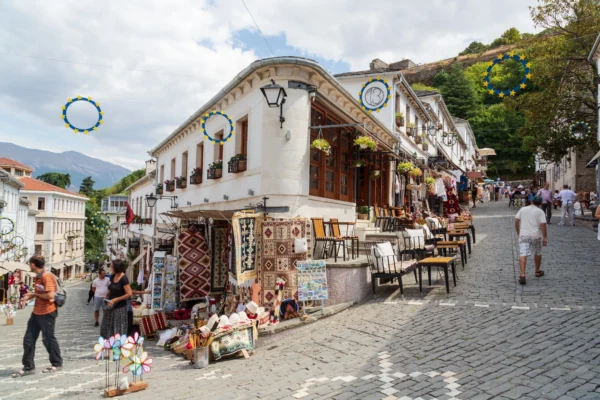
Best Time to Visit Albania: The Honest Month-by-Month Breakdown
Albania is one of those rare destinations where the “best time to visit” answer genuinely depends on what kind of traveler you are — and getting that answer wrong means missing the experiences that make this country extraordinary. After years of guiding travelers through the Albanian Alps, the Riviera, and everything in between, our team at Inside Balkan has watched visitors arrive in peak summer heat expecting breezy mountain walks, and spring travelers show up to a Riviera coast that’s completely deserted. This guide cuts through the generic advice and gives you the real picture, season by season, region by region.
wp:image {“id”:37}

/wp:image
Understanding Albania’s Geography First
Most travel advice about Albania treats the country as a single climate zone — that’s a fundamental mistake. Albania has at least three distinct climatic personalities packed into a relatively compact territory. The Adriatic and Ionian coastlines follow a classic Mediterranean pattern: hot, dry summers and mild, wet winters. The interior lowlands — Tirana, Berat, Elbasan — share similar summer heat but can be surprisingly cold and foggy in January and February. Then there’s the northern highland system, including the Accursed Mountains (Bjeshkët e Namuna), where summer temperatures rarely climb above 25°C and heavy snow closes mountain passes from November through April.
This geographic split is the single most important factor when answering “best time to visit albania” for any specific traveler. A couple looking for beach days and fresh seafood has a completely different ideal window than a hiker planning to tackle the Peaks of the Balkans trail. Keep that in mind as you read through each season below.
Spring: April and May — The Underrated Window
April and May represent what experienced Balkan travelers consider the sweet spot for visiting Albania. Daytime temperatures along the coast reach 18–22°C, wildflowers cover the hillsides around Gjirokastër and Berat in extraordinary profusion, and the tourist infrastructure — restaurants, guesthouses, ferry services — has reopened after the winter pause without yet reaching summer saturation. Accommodation prices in April run roughly 30–40% lower than July rates at comparable properties.
For cultural immersion, spring is particularly powerful. The Orthodox Easter celebrations in southern towns like Berat bring street processions and communal meals that are genuinely difficult to access during crowded summer months. The National Museum in Tirana, the bazaar district in Shkodër, and the UNESCO-listed old towns of both Berat and Gjirokastër are all navigable without queues. Our team regularly structures spring itineraries around this combination of cultural depth and comfortable weather — if you’re curious about what a structured spring journey looks like, our Albania 12 Day Tour – Cultural & Historic | Inside Balkan covers many of these spring highlights in detail.
The one genuine limitation in April is the northern mountains. The Valbona-Theth trail typically doesn’t open safely until late May or early June, and the Komani Lake ferry, while running, can feel raw and windswept on cold mornings. If northern trekking is your primary goal, wait until late May at the earliest.
Summer: June Through August — Peak Season Realities
June is the month where two very different Albanias coexist beautifully. The Albanian Riviera — that dramatic stretch of Ionian coastline running from Palasë to Sarandë — reaches its prime beach conditions: water temperatures hit 22–24°C, visibility for snorkeling around Ksamil reaches 15+ meters, and the hilltop village of Himara still has enough breathing room that you can find a table at a konak restaurant without reservations. By July 15th, that calculus changes significantly.
July and August bring intense heat (Tirana regularly records 35–38°C), Italian and Greek tourists filling the southern coast’s best beaches, and accommodation prices at their annual peak. Beach towns like Dhërmi and Jal become genuinely crowded, which surprises first-time visitors who expected a quiet, undiscovered coastline. That reputation for being “untouched” still applies to specific off-path beaches — Gjipe Canyon, Porto Palermo’s hidden coves — but not to the main resorts.
wp:image {“id”:18}

/wp:image
The northern highlands, however, are in their absolute prime during July and August. The Accursed Mountains deliver long days, stable weather windows, and trail conditions ideal for the multi-day Peaks of the Balkans circuit. Wildflower meadows above Valbona Valley peak in late June and early July. If you’re planning a summer trip that balances mountain trekking with coastal time, our Albania Trekking & Culture 15 Days | Inside Balkan itinerary was specifically built around this north-to-south summer progression — mountains first, coast at the end when you’re ready to decompress.
Autumn: September and October — Our Honest Recommendation
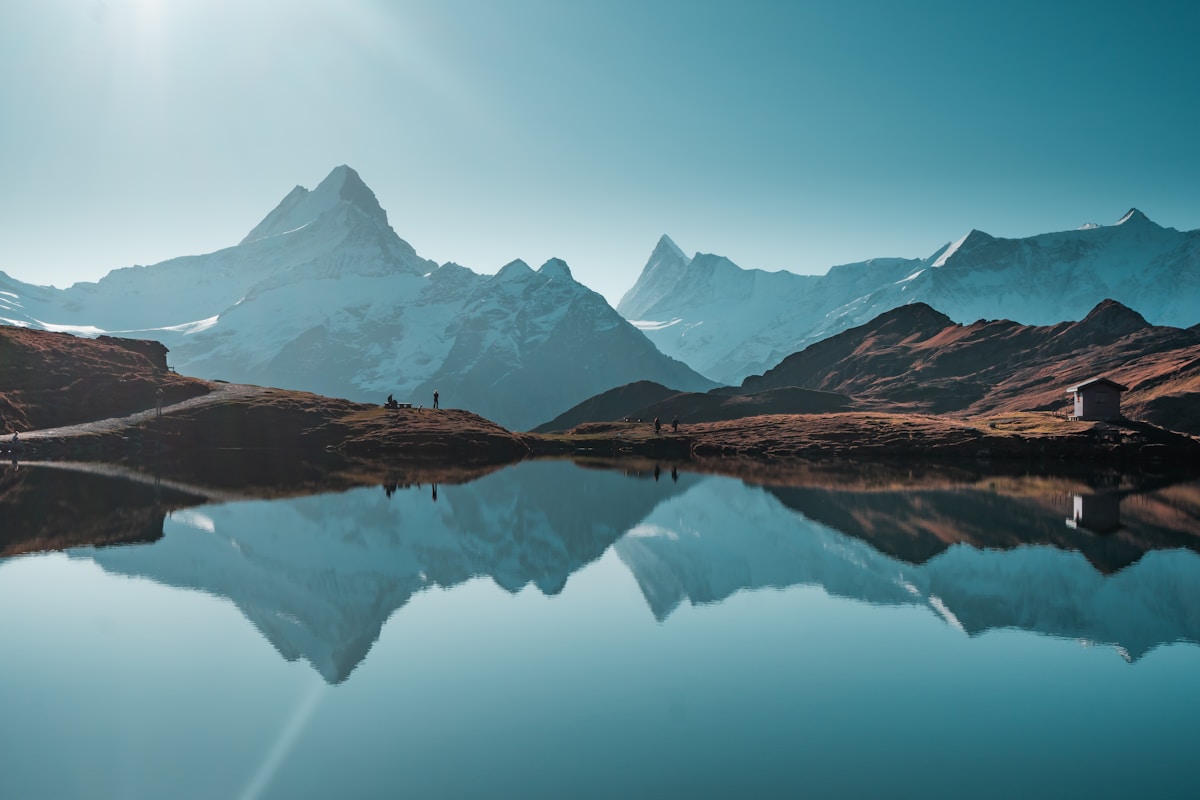
If we had to choose a single best month for the widest range of travelers, September wins without much debate. The sea temperature along the Riviera actually peaks in September — often warmer than August because the water retains summer heat while air temperatures drop to a far more comfortable 26–29°C. Hotel prices begin sliding down from their July–August peaks. The Italian and Greek summer crowds have largely returned home, leaving beaches noticeably quieter. And the light in September has a quality that’s genuinely different from summer — lower in the sky, warmer in tone, ideal for photography around the castle at Berat or the waterfront promenade in Sarandë.
October extends this pattern but with accelerating change. Early October still offers reliable beach weather in the south and excellent hiking conditions throughout. By late October, the mountain passes begin to feel uncertain, and the northern trails start closing. The valley towns — Berat, Gjirokastër, Përmet — are beautiful in autumn color and almost entirely free of tourist pressure. The weekly pazare (open-air markets) in these towns in October are among the most authentic experiences we can point travelers toward.
For those thinking carefully about regional timing, our comprehensive Best Time to Visit the Balkans: Month-by-Month Guide | Inside Balkan places Albania within the broader regional context — useful if you’re combining Albania with Montenegro, North Macedonia, or Kosovo in a single trip.
wp:image {“id”:12}
/wp:image
Winter: November Through March — Not for Everyone, Perfect for Some
Winter in Albania is genuinely off the tourist radar, and for most beach-focused travelers that’s entirely appropriate. The Riviera coast in January is cold, frequently rainy, and almost completely shut down — most restaurants and guesthouses in Himara and Dhërmi close from November through March. Ksamil, the popular island cluster near Sarandë, operates at perhaps 10% of its summer capacity.
But for a specific kind of traveler — someone interested in Albanian culture, history, and everyday life rather than beaches — winter has real appeal. Tirana is a functioning, energetic capital city year-round. The Museum of National History, the Et’hem Bey Mosque, the Blloku neighborhood’s café culture, and the emerging art gallery scene don’t require sunshine. Berat in December, with its distinctive white Ottoman houses stacked up the hillside under winter light, is visually striking in a way the summer crowds obscure. Gjirokastër’s stone bazaar, nearly empty in February, allows a kind of unhurried exploration that’s impossible in July.
Accommodation rates in winter drop dramatically — quality guesthouses in Berat that run €60–80 per night in summer regularly list at €25–35 in January. For budget-conscious travelers with flexible schedules, this calculus is worth serious consideration. And for anyone who has already visited Albania in summer, a winter return reveals a completely different country.
Quick Reference: Best Time by Activity
- Beach and swimming: June through mid-September, with September offering the best combination of warm water and reduced crowds
- Mountain trekking (Accursed Mountains, Peaks of the Balkans): Late May through late September, with July and August providing the most reliable conditions
- Cultural city exploration (Tirana, Berat, Gjirokastër): April, May, September, and October — shoulder seasons deliver the best experience-to-crowd ratio
- Photography: September and October for coastal light; May for wildflowers and green valleys; winter for dramatic moody cityscapes
- Budget travel: November through March offers the lowest prices, though with significantly reduced coastal infrastructure
- Birdwatching (Divjakë-Karavasta National Park): October through March for migratory flamingos; spring for nesting colonies
- Paragliding (Sarandë area): April through October, with spring thermals being particularly strong above the Riviera cliffs
Practical Considerations Often Left Out of Travel Guides
A few logistical realities that affect timing decisions: the Komani Lake ferry, one of Albania’s most dramatic experiences, runs daily from May through October and then drops to irregular service in winter. The mountain road from Shkodër to Valbona via Bajram Curri becomes genuinely risky after November snowfall. The Saranda–Corfu ferry runs year-round but with reduced frequency from October through March. If your itinerary depends on any of these connections, summer or shoulder season is the only realistic option.
On the other hand, Albanian National Route SH4 (Tirana to Gjirokastër) and the Ionian Highway coastal road are maintained year-round and generally reliable even in winter. Tirana’s international airport operates full schedules throughout the year, with Ryanair, Wizz Air, and various charter operators maintaining regular UK, German, and Italian routes regardless of season.
Frequently Asked Questions
What is the absolute best month to visit Albania for first-time travelers?
September stands out as the strongest single month for first-time visitors. The sea is warm for swimming, temperatures are comfortable for exploring cities and archaeological sites, prices have dropped from summer peaks, and the crowds have thinned considerably compared to July and August. You get the best of the coastal and cultural Albania without the compromises of peak summer.
Is Albania worth visiting in winter?
Yes, with realistic expectations. Winter works well for travelers focused on Tirana’s cultural scene, the UNESCO old towns of Berat and Gjirokastër, and budget-conscious exploration of the interior. The coastal towns are largely closed from November through March, and the northern mountain trails are completely inaccessible. Winter Albania rewards culturally motivated travelers who aren’t dependent on beach infrastructure.
When does the Albanian Riviera get crowded?
The Riviera reaches peak crowding in the second and third weeks of July and the first week of August, when Italian and Greek school holidays coincide with Albanian domestic tourism. Beaches at Dhërmi, Jal, and Ksamil are noticeably busy during these weeks. The same beaches in late June or September offer a dramatically quieter experience with nearly identical water conditions.
What is the best time to visit Albania for hiking?
For northern mountain trekking — including the Valbona-Theth crossing and the Peaks of the Balkans trail — the window runs from late May through late September. July and August offer the longest daylight hours and most stable weather. For hiking around southern sites like the mountains above Gjirokastër or the trails in Llogara National Park, the season extends further, with April–May and September–October being particularly pleasant due to cooler temperatures.
How does the best time to visit Albania compare to neighboring countries?
Albania’s seasonal patterns align closely with Montenegro and coastal Croatia — peak summer (July–August) for beaches, shoulder seasons (May and September) for the best overall experience. However, Albania’s interior and mountain regions have more extreme seasonal variation than Montenegro’s coast, and northern Albania’s trekking season is shorter than equivalent trails in Slovenia or the Julian Alps. If you’re combining countries, a route that moves from Albania’s mountains in June northward into Montenegro and Croatia as summer deepens works particularly well.
Are there major Albanian festivals that should influence travel timing?
Several festivals are worth building a trip around. The Gjirokastër National Folklore Festival — held in odd-numbered years — is one of the Balkans’ most significant cultural gatherings. The Summer Fest music series in Tirana runs through July and August. Sarandë’s city festival in late July is a lively local celebration that most tourists miss entirely. Orthodox Easter (variable, usually April–May) brings communal ceremonies in Berat and southern villages that offer genuine cultural insight beyond what summer tourism typically surfaces.

Garyalb86
Travel writer and Balkan enthusiast sharing stories and tips from Albania and beyond.
View All Posts