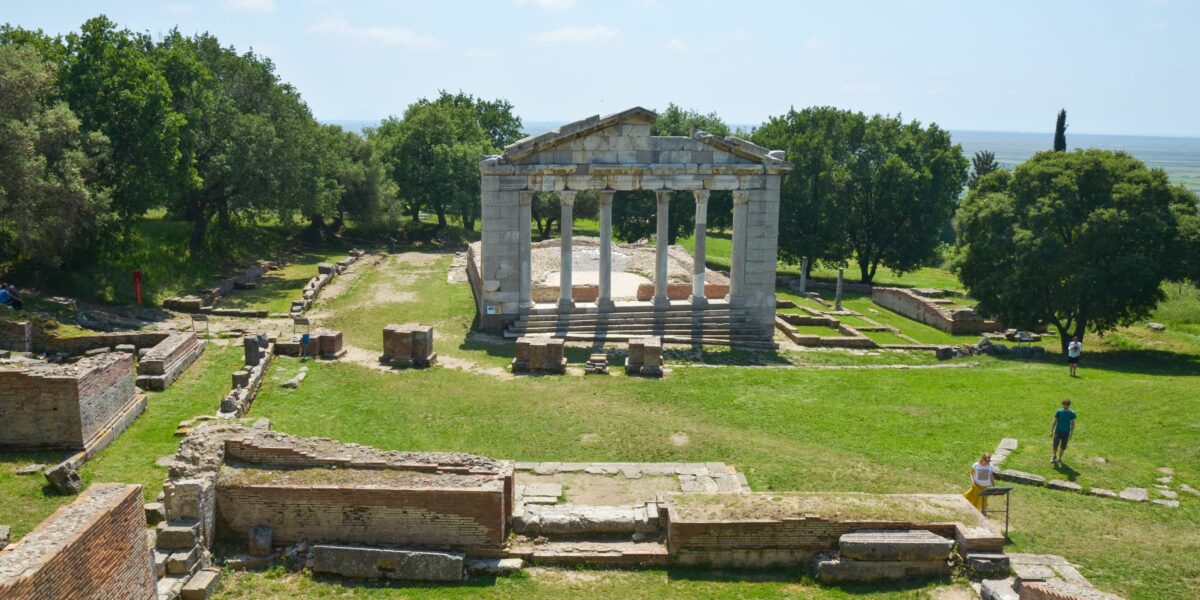
Best Time to Visit the Balkans: Your Complete Seasonal Guide for 2026
Looking for best time to visit balkan? Planning a Balkan adventure is one of the best travel decisions you can make. But knowing the best time to visit the Balkans can make the difference between a dream trip and a frustrating one. From the sun-drenched beaches of Croatia and Albania to the rugged mountain trails of Kosovo and Montenegro, timing your visit right unlocks the full magic of this incredible region.
Professional Best Time To Visit Balkan
At Inside Balkan, we’ve spent years exploring every corner of this diverse peninsula — the ancient streets of Ohrid in Macedonia, the dramatic fjords of Montenegro, the wild Albanian Alps, and the island-hopping paradise of Greece. We know this region deeply, and we want to help you plan your perfect trip.
This guide breaks down every season, every major destination, and what you can realistically expect month by month. Whether you’re chasing summer beaches, autumn colors, or off-season solitude, read on.
Our best time to visit balkan team specializes in creating functional, code-compliant spaces tailored to your practice.
[Add project photo here]
Why the Balkans Are Worth Visiting Year-Round
The Balkans cover an enormous geographic range — from Mediterranean coastlines to Alpine peaks above 2,500 meters. That diversity means there’s genuinely no single “bad” time to visit the entire region. The key is matching your travel style and preferred destinations with the right season.
Croatia sees around 18 million tourists annually, most of them concentrated in July and August. Meanwhile, neighboring Albania, Kosovo, and North Macedonia receive a fraction of that traffic, even during peak summer. This imbalance creates real opportunities for smart travelers willing to explore deeper into the peninsula.
- Beach lovers should target June through September along the Adriatic and Ionian coasts
- Hikers and trekkers get the best conditions from late June through September in the highlands
- Cultural travelers thrive in spring (April–May) and autumn (September–October) when crowds are thinner and weather is mild
- Budget travelers benefit most from shoulder seasons and winter in non-ski destinations
For a deep dive into each month, our Best Time to Visit the Balkans: Month-by-Month Guide breaks down exactly what to expect every step of the year, from January snowfall in the Dinaric Alps to October harvest festivals in Greek villages.
[Add project photo here]
Season-by-Season Breakdown
Spring (March–May): Our Favorite Season for Most Travelers
Spring is arguably the most rewarding time across the entire Balkan peninsula. Temperatures are pleasant — typically 15°C to 24°C across coastal areas — wildflowers cover the hillsides, and tourist crowds haven’t arrived yet. Prices for accommodation run 30–50% lower than peak summer rates in most destinations.
In Albania, spring brings lush green landscapes to the Riviera and manageable temperatures for exploring cities like Berat, Gjirokastër, and Shkodër. The water is still too cool for swimming in March and April, but by late May the southern Ionian coast warms up nicely.
In Greece, spring is ideal for exploring mainland sites like Meteora, Delphi, and the Peloponnese without summer heat. Athens sees highs around 25°C in May — perfect for walking tours.
Montenegro in spring is spectacular. The Bay of Kotor with spring flowers and few tourists is genuinely one of Europe’s most underrated travel experiences. Accommodation is easy to find and affordable.
The one caveat: mountain trails in Albania, Kosovo, and North Macedonia may still have snow at higher elevations through April. If you’re planning serious trekking, late May is the safer starting point.
Summer (June–September): Peak Season With Good Reason
Summer is peak season across the Balkans, and it earns that status. The Adriatic and Ionian coasts deliver world-class beach experiences. Croatia’s Dalmatian islands, Albania’s Riviera, and the Greek islands are all at their best from mid-June through early September.
July and August bring the largest crowds and highest prices — particularly in Dubrovnik, Croatia, which has implemented tourist limits precisely because summer demand became overwhelming. If Croatia is on your list, June or September is genuinely better than peak July.
For mountain destinations, summer is essential. The Albanian Alps, including the legendary Valbona-Theth route, are only reliably accessible from late June through early October. If you’re planning serious highland trekking, this is your window. Our Valbona to Theth Hike: Complete Guide covers everything you need to know about tackling one of the Balkans’ most spectacular trails during the optimal summer window.
In Kosovo and North Macedonia, summer brings warm, dry weather (25–35°C) and long days perfect for exploring cities, lakes like Ohrid, and rural areas. These destinations don’t see the same tourist saturation as coastal Croatia, making summer perfectly manageable.
One important note: August in coastal Albania and Greece can be extremely hot — regularly exceeding 38°C inland. Stay near the coast or head to higher elevations if you visit in August.
Autumn (September–October): The Smart Traveler’s Peak
September and October represent the best time to visit the Balkans for many experienced travelers. The sea is still warm from summer (typically 22–25°C along the Adriatic in September), crowds drop significantly after the first week of September, and the light turns golden and spectacular for photography.
Prices fall noticeably compared to July and August. Many accommodation providers offer their best deals in September, and you’ll often find the same quality experience at 20–40% lower cost.
Mountain trekking remains excellent through late September before the first autumn snowfalls close higher passes. October is beautiful for lower-altitude hikes with stunning fall foliage — particularly in the forests of Montenegro, Kosovo, and North Macedonia.
For food lovers, autumn means harvest season across the region. Wine harvest festivals in North Macedonia, olive picking in Albania and Greece, and truffle season in Croatia’s Istria all fall in this window.
Winter (November–February): For Adventurous and Budget-Conscious Travelers
Winter in the Balkans is genuinely underrated — if you know where to go. Coastal cities like Dubrovnik, Split, Tirana, and Thessaloniki become wonderfully quiet and affordable. You can walk through Old Town Dubrovnik without another tourist in sight, an experience impossible in summer.
The Balkans also offer excellent skiing. Kosovo’s Brezovica, Montenegro’s Kolašin, Bosnia’s Jahorina, and North Macedonia’s Mavrovo all offer skiing from December through March at prices far below Western European resorts. A full day of skiing in Kosovo typically costs a fraction of what you’d pay in Austria or Switzerland.
Albania in winter is cold in the mountains but mild along the southern coast (10–15°C). Cities like Berat and Gjirokastër are magical in winter with almost no tourists — a completely different experience from summer.
The downside: some ferry routes (particularly to Greek islands), mountain roads, and smaller guesthouses close from November through April. Always check operating schedules before finalizing winter plans.
[Add project photo here]
Destination-Specific Timing Guide
Albania: Best Visited May Through October
Albania rewards travelers almost any time, but the sweet spot runs from May through October. The Albanian Riviera is best from June through September for beaches. The Albanian Alps and interior highlands are best July through September for trekking. Our guide to 10 Reasons to Visit Albania for Your Next Adventure explains why this underrated country deserves a serious spot on your Balkan itinerary regardless of season.
For those serious about combining trekking with cultural experiences, consider our Albania Trekking and Culture 15-Day Tour, which runs during the optimal summer and early autumn window when conditions across both highlands and coastal areas are at their finest.
Montenegro: Best April Through October
Montenegro packs extraordinary diversity into a tiny country — Bay of Kotor, Durmitor National Park, the Adriatic coast, and old royal capital Cetinje. April through June is excellent for the Bay and interior. July and August are peak beach season. September and October offer ideal hiking in Durmitor with fewer crowds.
Croatia: Best June and September
Croatia is genuinely spectacular but increasingly crowded in peak summer. June and September offer the full Croatia experience — warm seas, open islands, great food — without the July-August crush. Split, Hvar, and the Plitvice Lakes are all significantly more enjoyable outside peak weeks.
Greece: Best April–June and September–October
Greece’s mainland and islands follow similar logic. Spring is magnificent for history and culture. Island hopping works best June through September when ferry schedules are full. Avoid August in Athens — the city can exceed 42°C and many locals leave for the islands themselves.
Kosovo and North Macedonia: Best May Through September
Both countries are genuinely year-round destinations for city travel but shine in summer and early autumn. Ohrid Lake in North Macedonia is best June through September. Pristina and the Rugova Mountains in Kosovo peak July through September. Our Hiking Tour of Koman Lake, Valbona & Theth combines Albanian and regional highlights in a single unforgettable itinerary that runs during the prime summer window.
[Add project photo here]
Practical Tips for Timing Your Balkan Trip
- Book accommodation early for July–August in Croatia and Montenegro — quality places sell out months in advance
- Shoulder season flexibility pays off — September trips are often 30–40% cheaper than identical August trips
- Check local festivals — events like the Ohrid Summer Festival (July–August), Sarajevo Film Festival (August), and Exit Festival in Serbia (July) can be major motivators or crowd deterrents depending on your preference
- Pack layers even in summer — mountain elevations above 1,500m can drop to near-freezing at night even in July
- Travel insurance matters more in winter when road closures and weather delays are possible across mountain routes
Frequently Asked Questions
What is the best time to visit the Balkans overall?
For most travelers, late May through June and September through early October represent the best overall timing. You get warm, pleasant weather, lower prices than peak summer, fewer crowds, and most attractions fully open. These shoulder periods offer the best balance of conditions across diverse Balkan destinations.
When is the cheapest time to visit the Balkans?
November through March offers the lowest prices across most Balkan destinations. Coastal towns in Croatia, Montenegro, and Albania can be 50–70% cheaper than peak summer rates. However, some seasonal businesses close during this period, and mountain areas may have limited accessibility due to snow.
Is summer too crowded in the Balkans?
It depends on where you go. July and August are genuinely very crowded in popular Croatian spots like Dubrovnik, Split, and Hvar. However, destinations like Albania, Kosovo, and North Macedonia remain far less crowded even at peak summer, making them excellent alternatives for travelers who want warm weather without the tourist masses.
Can you visit the Balkans in winter?
Absolutely. Winter offers unique experiences — quiet historic cities, excellent skiing in Kosovo, Montenegro, and North Macedonia, and significant cost savings. Cities like Tirana, Thessaloniki, Skopje, and Pristina are year-round destinations with vibrant food and cultural scenes even in winter. Coastal and mountain areas require more careful planning due to reduced services and potential weather disruptions.
When is the best time to hike in the Albanian Alps?
The Albanian Alps, including routes like Valbona to Theth, are best hiked from late June through mid-September. Before late June, high passes may still hold snow making crossings dangerous. After mid-October, early autumn snowfall can close routes. July and August offer the most reliable conditions and the best guesthouse availability along the trails.
What month should I avoid in the Balkans?
August is the peak month for crowds and prices along the Adriatic coast, and should generally be avoided for Croatia and Montenegro if you dislike crowds. For beach destinations, July is similar. For cultural sightseeing, August in major cities like Athens can be brutally hot (often above 40°C). November through February involves reduced services and cold, rainy weather on the coasts — manageable but requiring realistic expectations.

Garyalb86
Travel writer and Balkan enthusiast sharing stories and tips from Albania and beyond.
View All Posts